
Chalk‑Stream Craft: How Hampshire Made the Dry‑Fly
Izaak Walton's The Compleat Angler put Hampshire's chalk streams on the map.
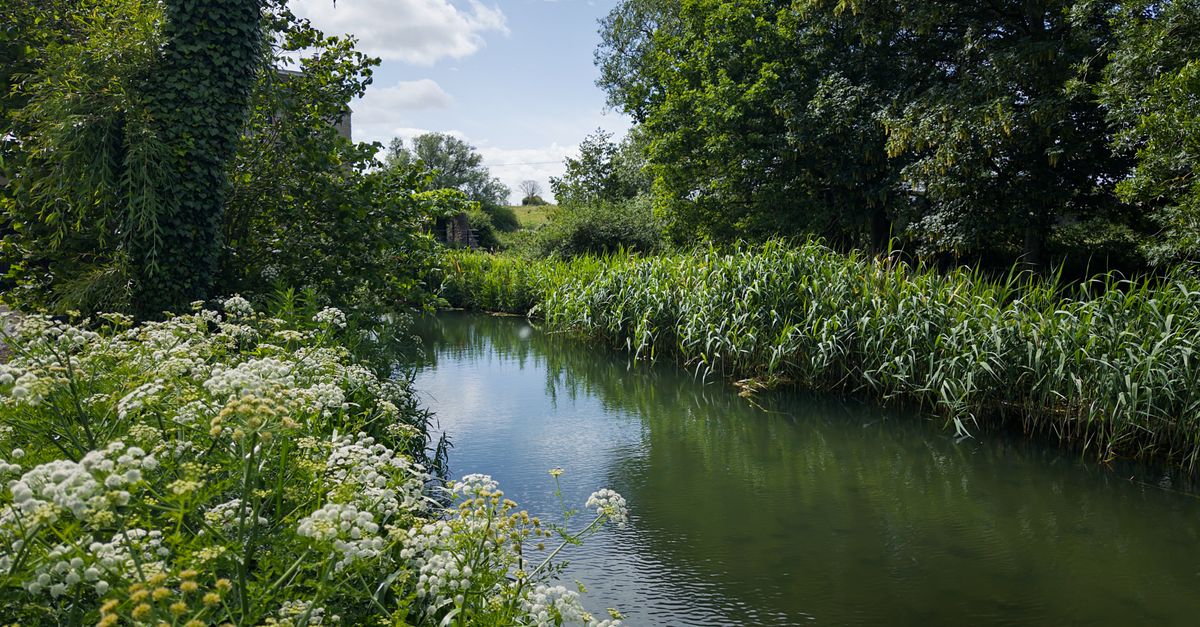
Experienced anglers still measure a good day by the same standards Walton described: clear water, gravel beds, and trout that see every fly. The River Test, the Itchen and the Kennet define that world. These are spring‑fed, alkaline rivers with steady flow, delicate riffles and deep, gin‑clear pools where brown trout and grayling feed in public.
Fly craft here is precise. The dry‑fly method, refined on these reaches, demands upstream presentation, feather‑light leaders and a steady hand. Frederic M. Halford and other anglers codified the hair‑wing patterns and tactics that made the dry fly the local language of the sport. The goal is not brute force but persuasion.
Water, life and tackle
Mayfly hatches dictate rhythm. A single rise can focus an angler for an hour. Tackle is modest: a delicate rod, fine tippets, discreet waders for shallow approaches. Stealth matters; boots that slap the bank will end the story before the fly lands.
Fisheries here are narrow classrooms. They teach patience, reading lies, and how a simple fly can outwit a wary trout. On a low summer evening the moss‑lined riffle will still produce the small, perfect rise of a trout taking a mayfly.
Recommended: waterproof chest waders