
Chalk-Stream Dry-Fly: River Test and the English Art
River Test: gin-clear chalk water and the brown trout that rewrote fly fishing
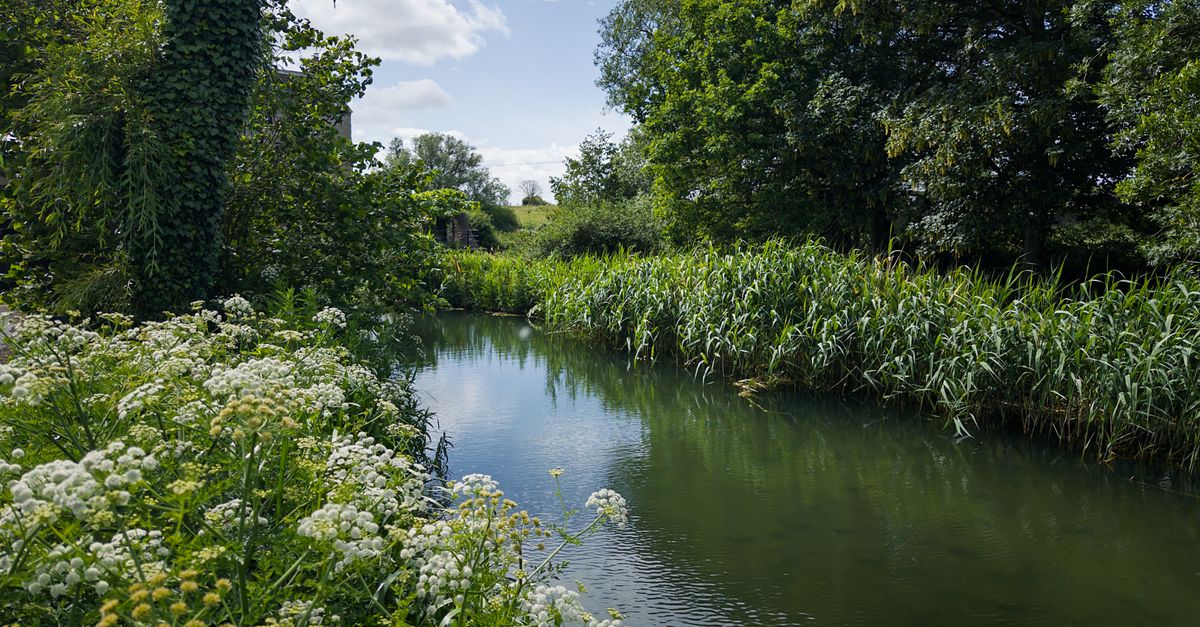
The River Test and its neighbours in Hampshire set a standard. Spring-fed, shallow, lined with watercress and weedbeds, these chalk streams produce brown trout that see everything. Presentation is everything. The fish live on sight.
Technique: the English dry-fly
The dry-fly emerged here as a deliberate art. Frederic M. Halford and contemporaries codified an upstream, deceptive presentation: tiny flies, long tapered leaders, and absolute delicacy. The aim was to fool trout feeding on mayfly and sedge on the surface — not to bully them with heavy tackle.
Chalk streams demand different instincts. Rods are light and fast, lines thin, leaders near-invisible. Fish rise slowly; a poor cast ruins the rise. Grayling and brown trout read the surface film like radar. Even pike show up in deeper runs, waiting where the clear water channels baitfish.
The craft lives in small things: the right fly size, the drift free of drag, the downstream angle that keeps the fly honest. On a cool morning, when the sun picks out the filamentous weed and a trout peels a bubble, the river looks like an old English painting, and the dry-fly still does its quiet work.
Recommended: breathable chest waders