
Chalk-Stream Craft: Dry-Fly Fishing on the River Test
River Test at Stockbridge: the dry-fly crucible
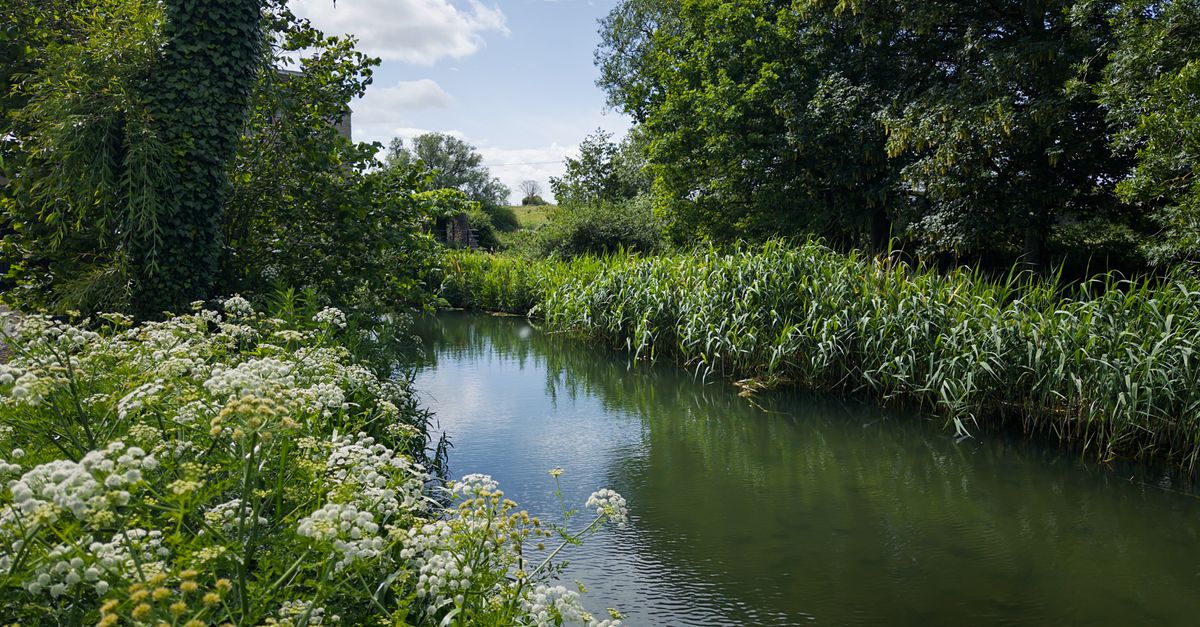
The River Test runs like a silver thread through southern chalk, its beds of clean gravel visible a yard deep. Clear water. Spring-fed steadiness. Brown trout lie tight to seams and rise with a precision anglers learn to read.
Rooted technique, sharp opinions
Frederic M. Halford made the Test synonymous with the dry-fly. Presentation mattered above all else. The cast had to be invisible. The fly had to sit like a natural. That single-minded approach shaped the flies and the fly rod actions anglers still prefer on chalk streams.
G.E.M. Skues brought nymph work into conversation. The conflict was technical, not tribal: dry presentation versus subsurface craft. Both pushed tackle and thinking forward. Both sharpened skills on the Test, the Itchen and the Hampshire Avon.
Fish are small and clever. Brown trout and grayling dominate. The river favours stealth—slinking waders down a marge, mending line with soft hands, choosing a dry fly that matches size and silhouette. A neat cast, a perfect drift, and the surface snaps like a closing coin.
Modern anglers carry lighter rigs, synthetic flies and nylon tippets, but the essence remains: patience, reading current, and the sudden flash of a trout breaking the water.
Recommended: breathable chest waders