
Chalk‑Stream Dry‑Fly: The River Test Tradition
Stockbridge on the River Test — the dry fly’s proving ground
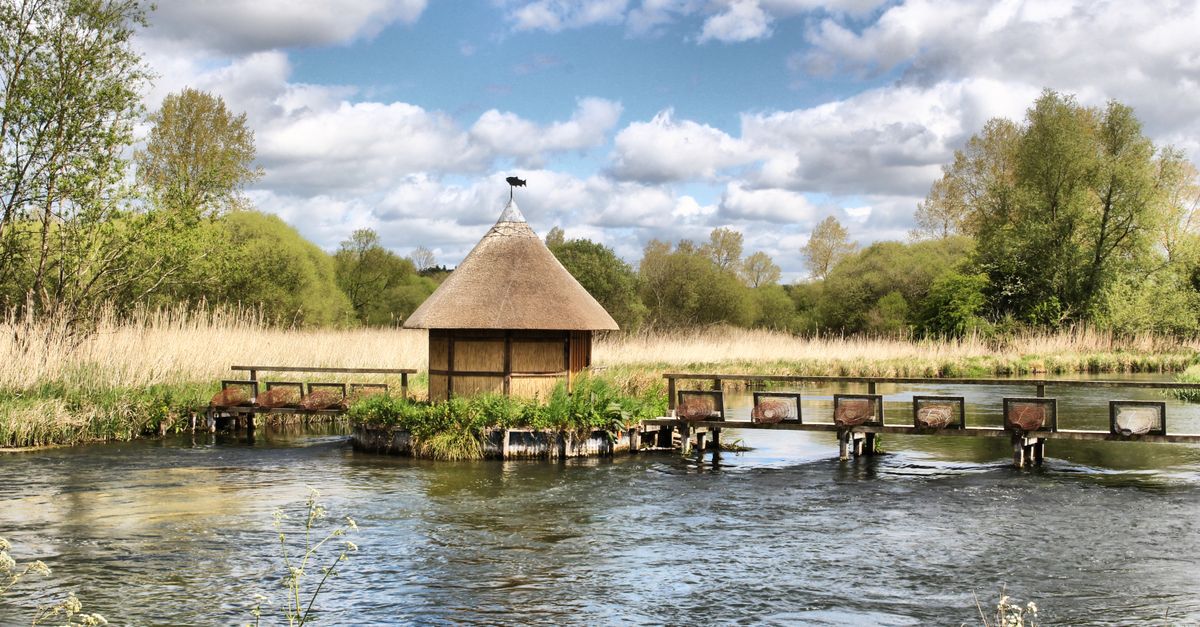
Clear water, a chalk bed that filters to a pale green, and brown trout that read the surface like a ledger. The River Test defined a style: delicate presentation, imitative flies and absolute stealth. Anglers arrived with a light rod, knot-joined leaders and a reverence for mayfly hatches that became ritual.
Roots of a doctrine
The late 19th century saw writers and guides codify what the Test showed in practice. The dry‑fly technique was not mere gear; it was a way of seeing the river. Flies had to sit upright; drifts had to be dead‑calm. The result was a distinct English approach that prized the rise as much as the catch.
Chalk streams are fed from aquifers, which keeps water clear and insect life abundant. That clarity makes presentation surgical. Brown trout and grayling live on those hatches; the angler learns to match size, silhouette and emergence timing. A well-timed cast during a mayfly hatch is a small sermon: a fly lands, a trout inhales, the line whispers.
Equipment followed the ethos. Lighter rods, silk or gut leaders, carefully tied dry flies. Waders crept into regular use to allow precise wading; a single misstep on the gravel changes everything. The tradition persists on the Test, Itchen and other chalk rivers — not as nostalgia but as a practiced language between river and angler.
A dry fly quivers on a glassy seam, the trout pauses, then the water closes over a flash of pale flank — a scene unchanged across generations.
Recommended: waterproof breathable waders