
Where the Dry Fly Was Perfected: Chalk-Stream Fishing on the Test and Itchen
The River Test and the birth of dry-fly craft
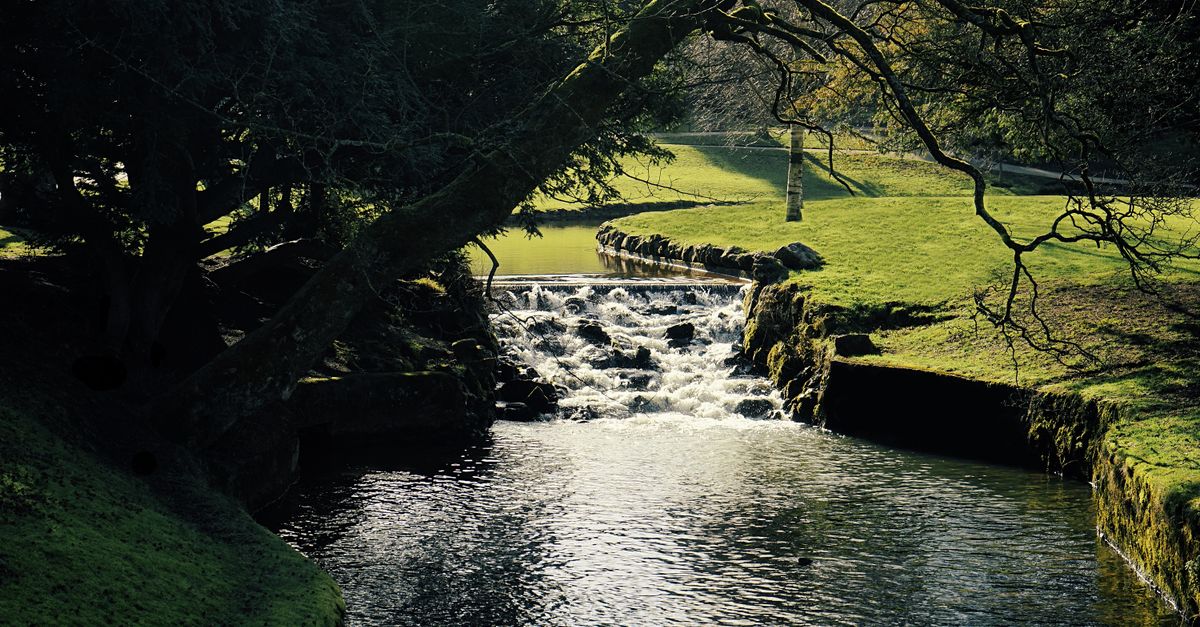
Frederic M. Halford's Dry-Fly Fishing in Theory and Practice set the tone for angling on chalk-streams, where glass-clear water and gentle currents force every cast and every fly to be precise. The Test, the Itchen and the Hampshire Avon shaped a technique built on stealth, light tackle and an obsession with presentation.
Chalk-streams rise from aquifers. Water stays cool and clear. Trout here are wild brown trout, lean and selective. Hatches of mayfly and caddis dictate the day. Anglers learned to read riffles the way farmers read weather.
Two revolutions: dry flies and nymph tactics
Halford preached the floating fly, sprung-gut leaders and upstream presentation. A generation later George Skues argued for the nymph — underwater imitations taken by feeding trout out of sight. The dialogue between dry-fly purists and nymphers refined tactics, casts, knots and flies. Single-handed rod work, delicate leaders and tiny turn-down flies became standard.
Gear adapted: lighter rods, fine silk or gut leaders, hairwing dry flies and slender nymphs. Lessons from these rivers spread across the world, even as the rivers themselves stayed stubbornly local—a narrow ribbon of chalk and green where the trout know every ripple. Dawn on the Test: a mayfly dun lifts, the rod tip bends, and the water rings like silver.