
Chalk‑Stream Secrets: How England Shaped Dry‑Fly Fishing
The River Test at Stockbridge is famed for its wild brown trout and dainty dry‑fly fishing.
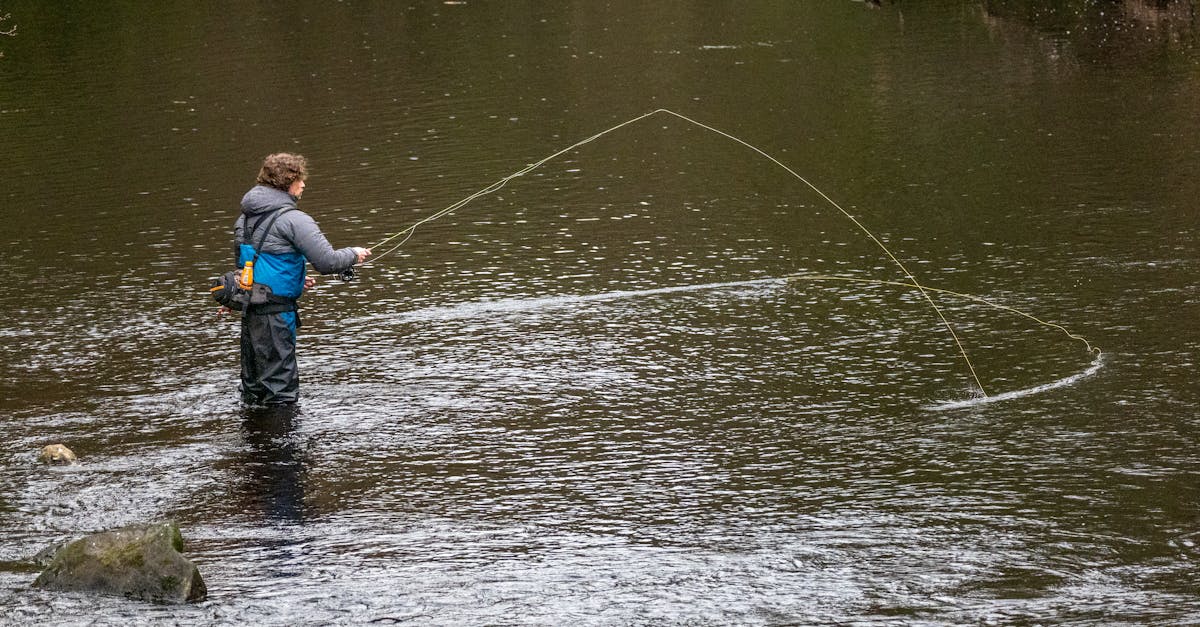
Clear, spring‑fed water moves like glass over chalk gravel. Chalk streams take their character from the aquifer beneath the landscape: constant flow, neutral pH, and a steady supply of invertebrates. The Test, the Itchen and the Lambourn have been the workplace for anglers who perfected presentation rather than brute force, reading surface currents and the rise of a trout to cast with surgical calm.
Victorian anglers formalised what had long been practiced: precise upstream casts, fine leaders and a wardrobe of dry flies imitating mayfly and sedge. Frederic M. Halford’s advocacy of the dry‑fly style crystallised techniques that still dictate tackle choices today. A sensible fly rod, silk or fur‑wing patterns, and respectful approach remain the toolkit; waders are often minimal, boots chosen for stealth rather than armour.
How the method lives on
Fishing a chalk‑stream is about sight more than sound. Brown trout and grayling feed in ordered lies, sipping emergers and dapping adults from hemlock shadows. The angler watches seams and film, times the drift, and lands a fly without spooking the lane. Presentation beats power: soft leaders, gentle mends, and a low profile win more trout than heavy casting ever will.
A solitary caster stands in waist‑clear water, a dry fly sits like a promise on a slow seam, and a trout breaks the glass with the economy of a precise strike.
Recommended: lightweight carbon fly rod