
Chalk-stream float-and-fly conversion for March
Chalk-stream conversion for March: 9ft rod to float-and-fly
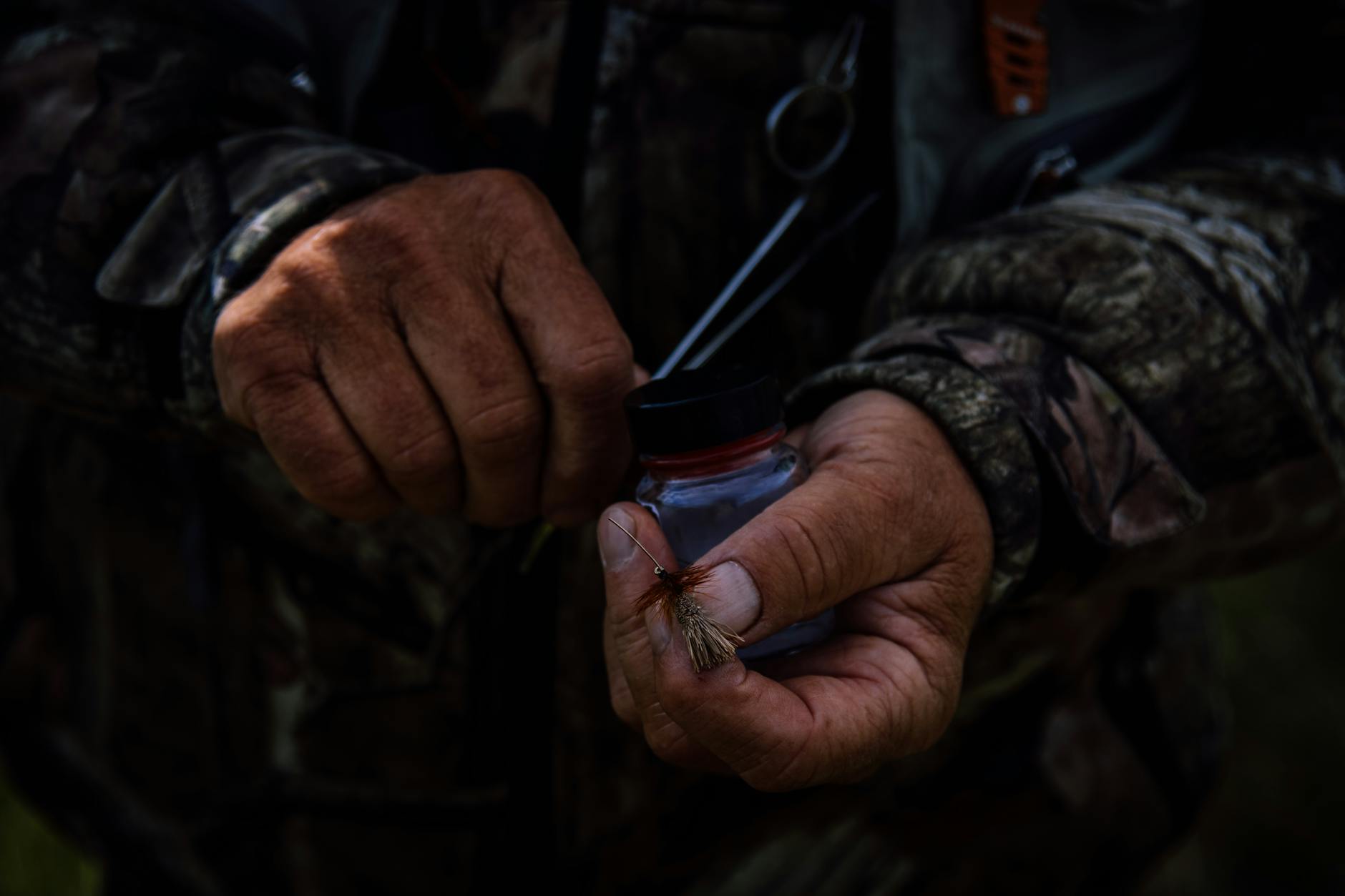
March spates on England's chalk streams require a careful retooling of a standard 9ft, lightweight outfit. On rivers such as the Test, Itchen and Hampshire Avon, spring-fed clarity collides with peat-stained tributary surge, producing seams where rising brown trout feed. Converting a 9ft rod and light reel into a float-and-fly rig focuses on a longer taper, precise micro-sink tip selection, drag tuning for spate behaviour and quiet wading adjustments to cope with cold, peaty runoff.
Leader taper
A 10–12ft tapered leader with a fine, low-diameter butt helps a delicate presentation in gin-clear chalk water. Incorporating a short, stiffer shock section of heavier fluorocarbon at the butt provides abrasion resistance and absorbs sudden loads when an upstream spate yanks the indicator.
Micro-sink tip choices
Micro-sink tips of 0.5–1.5 ips in 1–3ft lengths allow the fly to sit in the film or just beneath it, ideal for the seam between clear chalk and tea-coloured feeders. A 1ft intermediate tip often proves decisive in March when trout pick along contrasts rather than in uniform flow.
Reel drag and stealth wading
Set a smooth, moderate drag to give line on explosive runs caused by spate surges but retain stopping power for long downstream plays. For cold, peaty runoff, adopt muted clothing, neoprene liners under Vibram soles, slim gaiters and a padded wading staff sleeve to minimise splash and scent transfer on highly pressured beats.