
Chalk‑Stream Fly Fishing: The River Test and the Dry‑Fly Tradition
The River Test at Stockbridge is as famous for its trout as it is for its clarity.
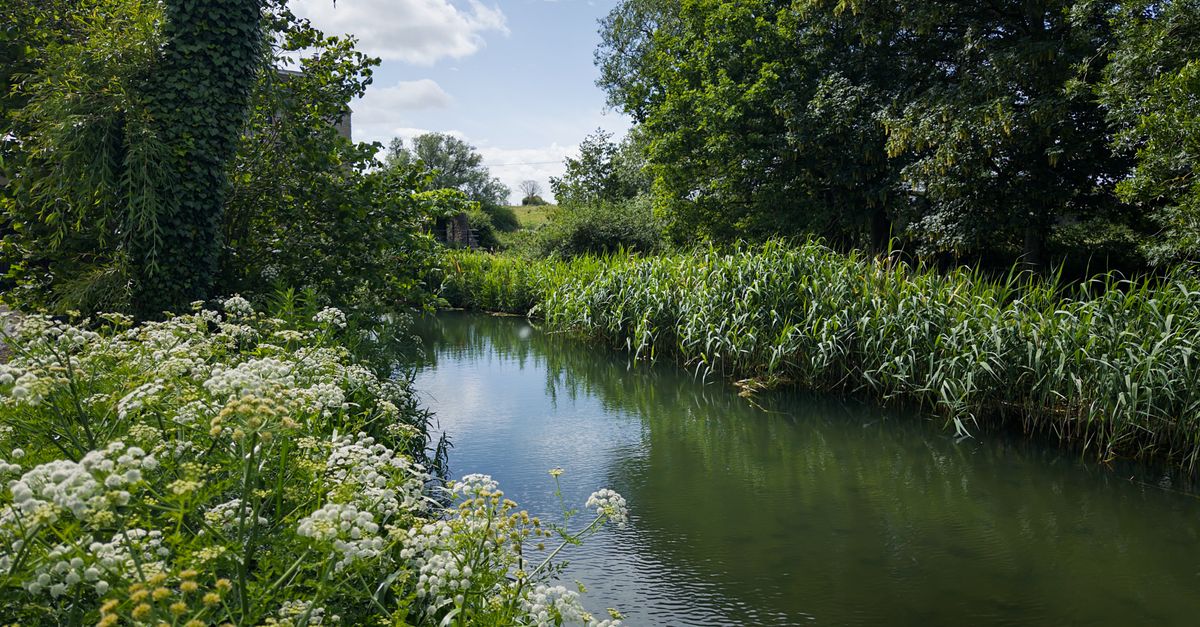
Spring water runs pale over chalk gravel, water crowfoot waving in the current. Brown trout and grayling live where clarity meets a steady, cool flow. The Test and the Itchen set the standard: gin-clear channels, marginal pools, and lies that reveal themselves at dawn.
History and technique
Two voices shaped the chalk-stream way. One preached the dry‑fly, precise presentation to rising trout; the other argued for the nymph, the unseen underwater approach. Both changed how anglers read a river. Tackle stayed simple: a light leader, a delicate fly and, where tradition allows, a neat rod and sensible waders to keep the angler low and quiet.
On private beats the ghillie still measures a cast by eye and a trout by its rise. The chalk rivers favour subtlety: change a fly pattern, alter the drift, move a foot and the whole water looks different. Techniques travel — poacher’s tricks and estate etiquette alike — but the water teaches the same lesson.
At first light a trout breaks the surface with the softest slap; the fly hangs for a heartbeat, then disappears. The river keeps the rule: sight, silence, and precise presentation.