
Chalk‑Stream Fly Fishing: The River Test and the Art of the Dry Fly
River Test chalk reaches and dry‑fly lore
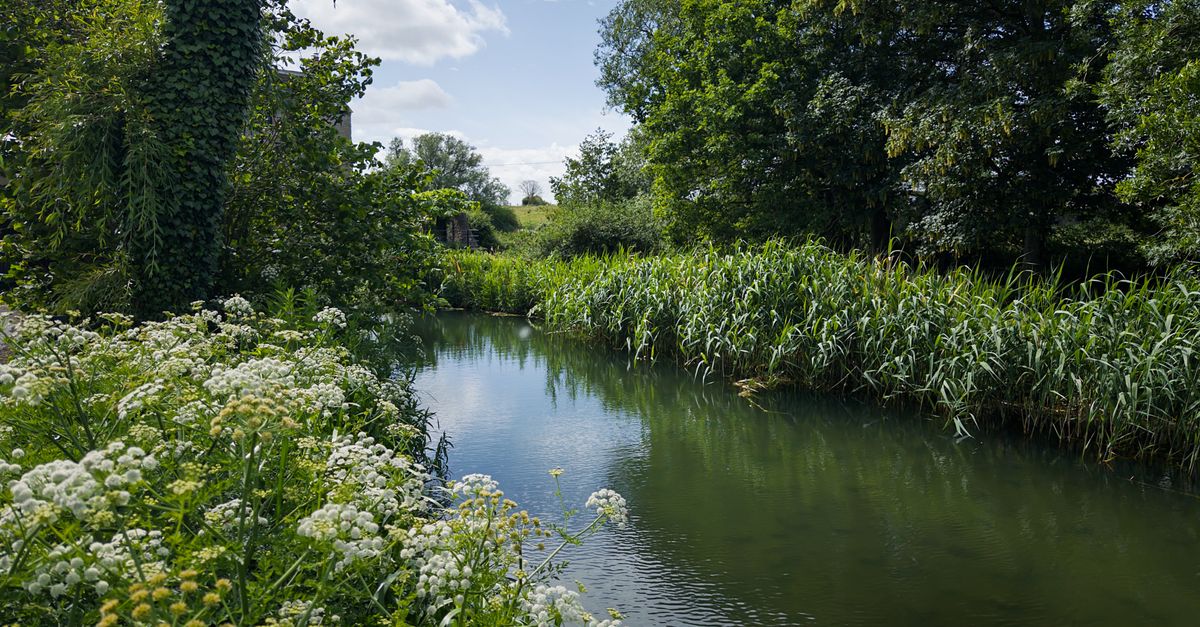
Izaak Walton's name still hangs over the Test and Itchen; his voice shaped days when a single dry fly could decide an afternoon. Chalk clear water, summer snipe flies and the stubborn rise of a brown trout define the style.
Anglers speak of sight fishing here as a nearly surgical craft. Presentation matters: a light leader, small wings, a long, delicate cast. The aim is not brute force but deception. Brown trout and grayling react to nuance; pike lurk in back channels and remind anglers of the river's deeper moods.
Gear and technique
The classic setup is simple. A willow landing net, a soft floatant, a nimble rod and patient timing. Waders matter in winter and spring when anglers step into the margin to reach the sweet water. Flies are tiny—pheasant tail, hare's ear, and a handful of well‑tied dries that mimic mayfly and sedge.
The tradition is as much about place as tackle. Watercress beds, chalk springs and millstreams shape lies and produce runs of picky fish that reward careful observation. A morning cast that lifts a trout from crystal water stays in memory longer than any bag of fish.
Recommended: waterproof neoprene waders