
Chalk-Stream Fly Fishing: Test, Halford and the Dry-Fly Revolution
Chalk-Stream Fly Fishing: Where Halford Schooled a Nation
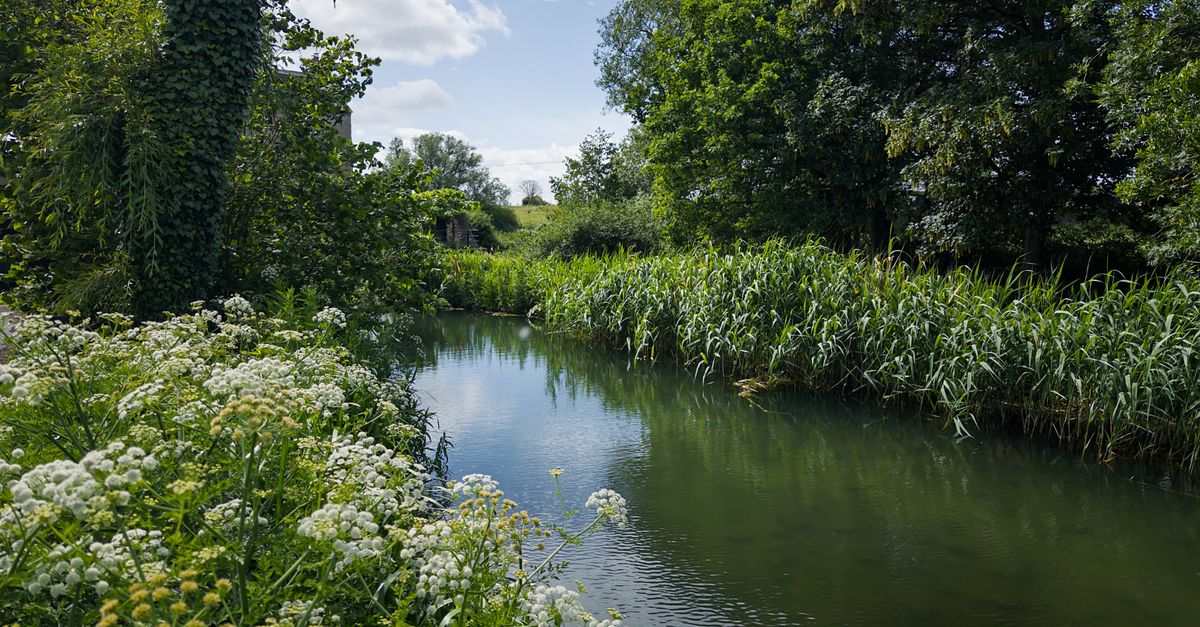
Frederic M. Halford made the River Test his laboratory and turned the dry-fly into a ritual. He insisted on upstream presentation, tiny casts and nearly invisible silk leaders; the Test, Itchen and Kennet answered with trout and grayling that rise with surgical precision.
Clear water, exact fishing
Chalk streams are spring-fed, their water filtered through chalk aquifers to a flint-glass clarity. A steady temperature, mineral-rich flow and silt-free gravel beds nurture abundant invertebrates, watercress and weed. That ecology produces sight fishing: stalking undercut banks, matching hatches and minute adjustments of drift become everything.
The dry-fly revolution set technique—single-handed tackle, tapered leaders and painstaking presentation. It provoked an equally influential reply in the form of nymph fishing championed by G.E.M. Skues, which taught anglers to work subsurface where wary trout often feed. The debate refined knots, flies and approach rather than fracturing the sport.
An experienced angler moves quietly, shortens a cast, tests a leader knot, checks the line on the water, slips into waders and times a drift so a trout takes in perfect view. On a summer evening a mayfly hatch can turn the Test into a silver ribbon of rising trout.
Recommended: waterproof chest waders