
Chalk-Stream Fly Fishing: The River Test and Itchen Legacy
Chalk-stream fly fishing: where dry-fly craft began
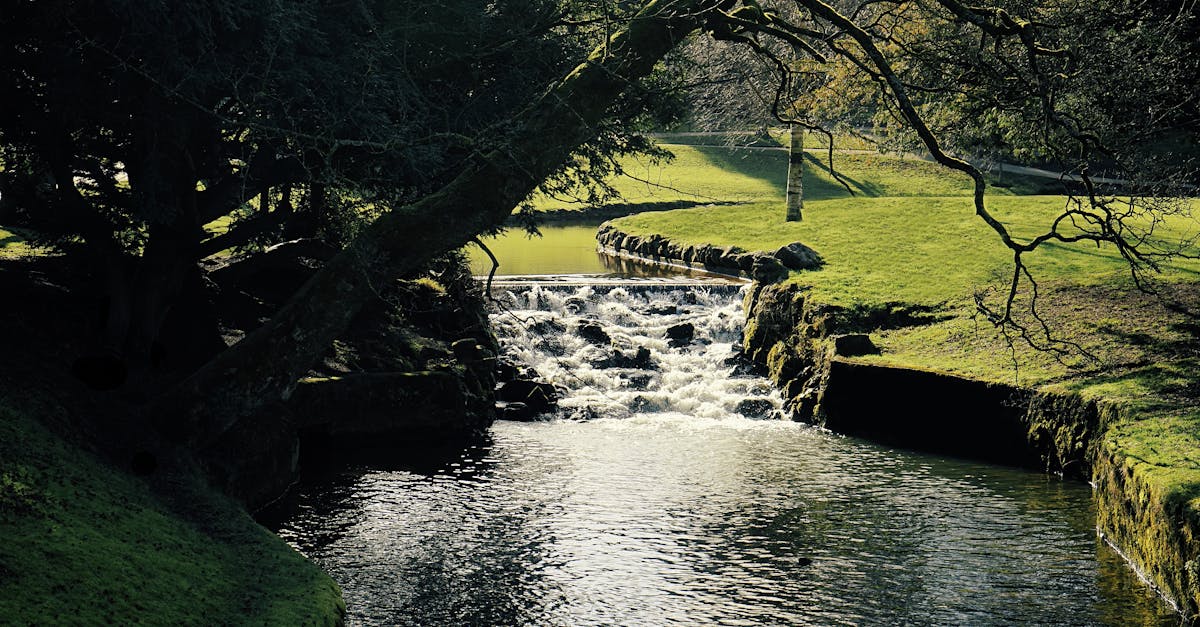
Izaak Walton's The Compleat Angler, first published in 1653, helped cement the English chalk-stream as an angler’s ideal. Clear water. Pale gravel. Brown trout that raise with the faintest blush of a mayfly. Presentation matters more than power here.
Rivers such as the Test and the Itchen run from chalk aquifers, their alkaline, spring-fed flows producing pea-soup clarity and steady summer hatches. These conditions drove the evolution of the dry-fly: small patterns, delicate casts, single-handed tackle and leaders that vanish in the water.
Technique and tackle
Victorian anglers refined the single-handed rod and dressed flies to mimic local Ephemeroptera. Modern anglers still prize economy of motion: long reach, short line, a tapered leader or gut leader for the final turn of the fly. Waders are common for mid-stream presentation; a light rod and small flies keep disturbance to a minimum.
Species list is short and noble: brown trout and grayling take most attention, but the streams host an entire aquatic food web that favours sight fishing and selective takes. The angler’s skill is measured in unnoticed approaches, the perfect drift and a gentle lift.
On a low summer seam, a trout breaks the surface to sip a size 14 spinner. The moment is small and exact — the whole tradition summed in one rise against sunlit gravel.
Recommended: breathable chest waders