
Chalk-stream craft: how Hampshire shaped English fly fishing
Izaak Walton's The Compleat Angler (1653) and the River Test
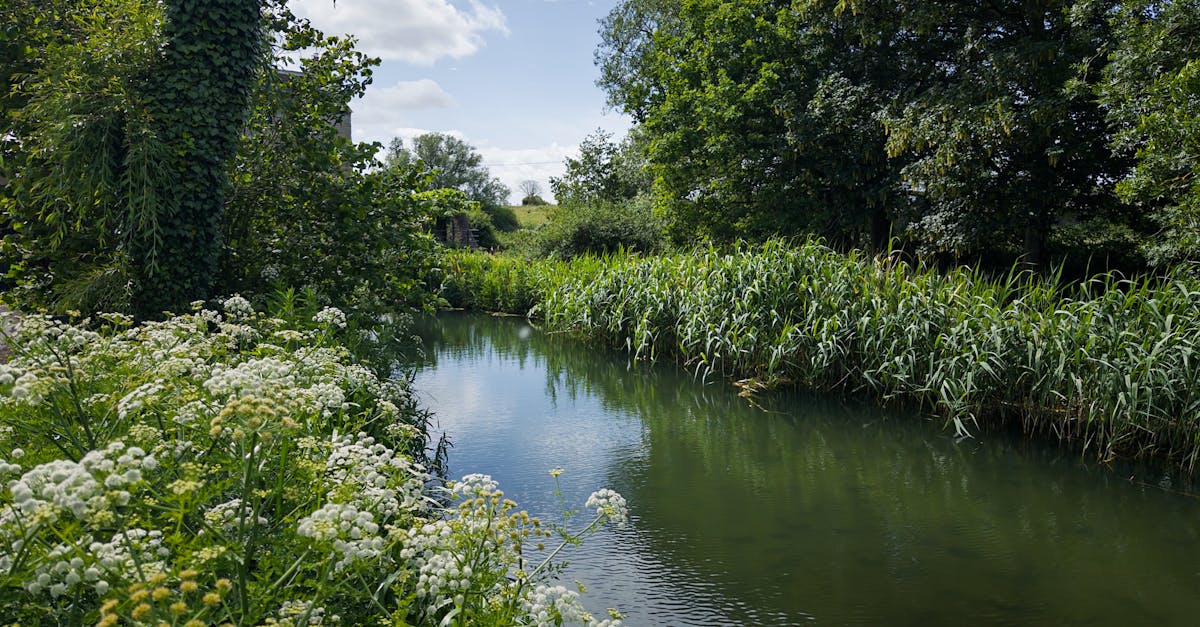
The River Test and the Itchen are clearer than most memories. Their gravel beds throw light back through water that rarely muddles. Anglers learned there to read riffles, not to brute-force a catch. Brown trout and grayling teach patience; pike lurk in margins and remind of power.
Chalk streams made tackle makers think small. Flies imitate nymphs and olives with uncanny precision. The classic dry fly drift — long, dead drift over a seam — owes its refinement to these rivers where presentation matters more than power. An angler's rod is chosen for touch, not torque. Waders are an act of respect; move softly and the water keeps its secrets.
Technique born from clarity
Casting here is a conversation with light and current. Leaders are long. Tippets thin. Flies are matched to hatch and shade. The margin game, the subtle mend, the patient watch at first light — all are local arts, passed from keeper to visitor, told over tea and a cold sandwich on a bank.
That tradition shaped modern fly angling across Britain. It stays present in the careful rigs, the reverence for a clear drift, and the sight of a trout rising to a dry fly on a calm Hampshire morning.