
Chalk-stream pub tying
Chalk‑stream socials: Test & Itchen pub fly‑tying nights
Rivers, pubs, and patterns
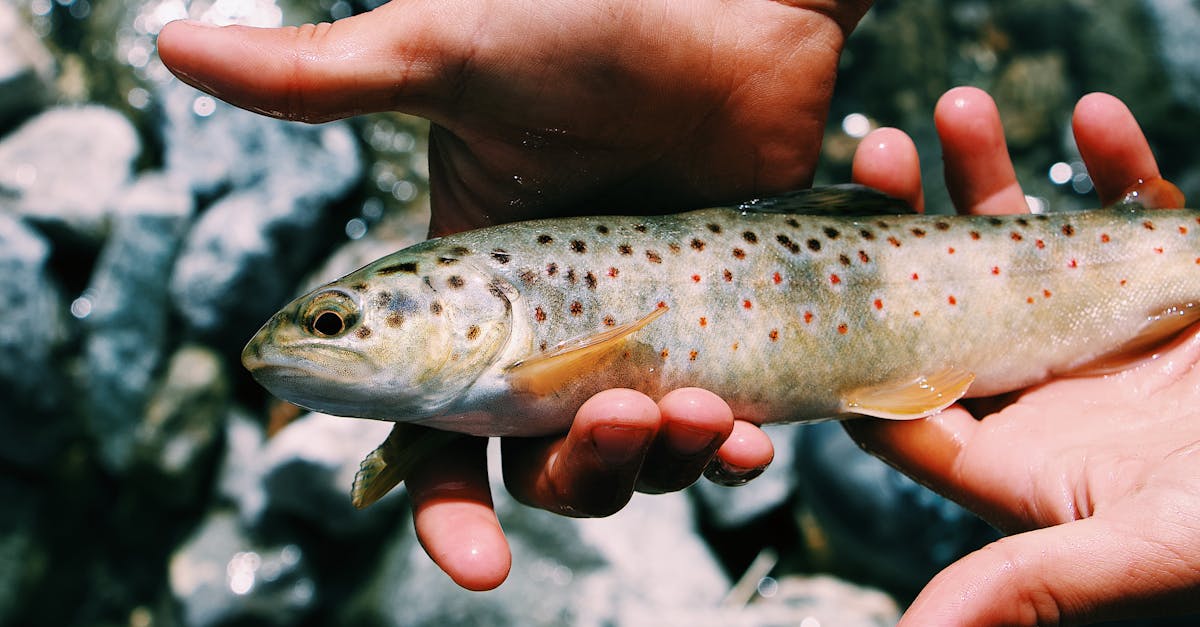
Along Hampshire's River Test (39 miles) and the River Itchen (17 miles, fed by the Alre, Tichborne and Candover Brook), village inns around Winchester became evening classrooms for fly‑tying. Anglers gathered to wind Quill Gordon, March Brown and the hackle‑tipped Red Tag, then trade tales beside ales. Breach Farm on the Itchen retained a short walk from parking to a shelter amid cattle meadows, where "trout" (Salmo trutta) and grayling (Thymallus thymallus) rose to slender dries.
Technique, debate and folklore
The Halford era's dry‑fly purity — gentle alightments on glassy 2–4 ft flows — met G.E.M. Skues's nymphing arguments in these pub rooms. Conversation ranged from mayflies (Ephemera danica) and sedges to olives (Baetis spp.), midges and Venables' 1642 hackle floats. Equipment stayed light: rods 3–5 weight, 9‑foot; leaders tapered 12–15 ft for short casts building to 30 ft. Local yarns stitched technique to place, describing Test meanders and Itchen steadiness that grow 12–18 in trout on evening sips.
Food, fire and community
Evenings finished with kitchen lore: pan‑fried trout crisped with herbs from water meadows, Itchen grayling smoked over alder and pints of local bitters. The River Meon’s secluded hatches and the broader sweeps of the Hampshire Avon provided counterpoints, but it was these pub socials — patterns, debate and roast — that kept chalk‑stream trout culture alive around Winchester.
Recommended: tapered leaders