
Chalk‑stream Rituals on the Test and Itchen
River Test runs 40 miles from Ashe near Basingstoke to Southampton Water, and Kimbridge beats keep an old rhythm of ghillies, kettles and trout.
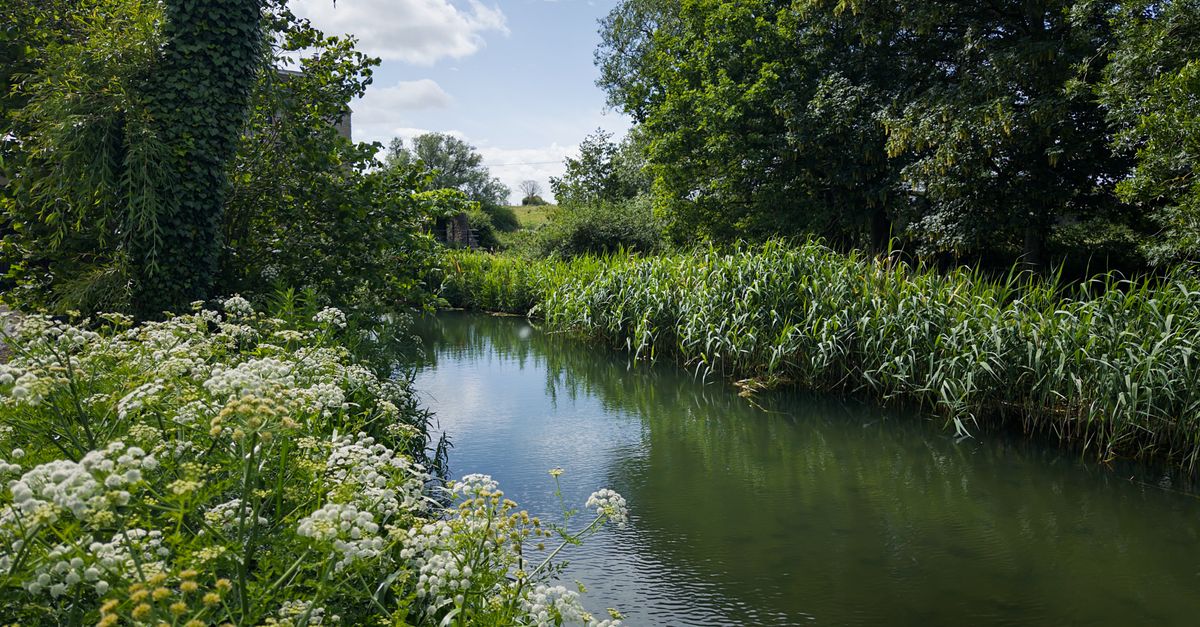
The ghillie arrives before dawn, boots whispering on gravel as he checks Stoneycroft and Weyhill beats. Pools in summer sit 1.5–2.5 metres deep; riffles barely half a metre. Brown trout here average 12–16 inches, with the odd twenty‑inch specimen that changes the tale everyone tells back at the hut.
Fly boxes and folklore
Fly‑tying stories pass like heirlooms: Test Brown to mimic chalk‑stream shrimp, Itchen Sprat for silver minnows, Chalkstream Pheasant Tail on barbless size 12–14 hooks. Gear is spare and exact — 4–5 wt floating lines, 12 ft leaders, nymph rods of 9–10 ft and 0.14 mm fluorocarbon tippets.
Mornings bring a steady ritual. Guests arrive about 8:30–8:45 AM for the first light; evening post‑dusk beats start near 5:00 PM and wind down around 8:00 PM, ghillies moving by torchlight with whisper‑talk to keep the water calm.
Riverside teas are breathed over cast‑iron kettles beside the fishing hut; later, small cookups bind the beat — trout grilled over coals with butter, lemon and watercress, hands blackened, laughter low. The keeper culture carries a hint of Ghillie Dhu myth: camouflage and moss turned kindly, a quiet protection for river and rod. A keeper lifts a wet brown trout into the net under a lamp; scales flash like a held‑back dawn.
Recommended: 4‑5 wt fly line