
Chalk-Stream Secrets: The River Test and the Birth of Dry-Fly Craft
The River Test in Hampshire — clear enough to read a fly line on the gravel.
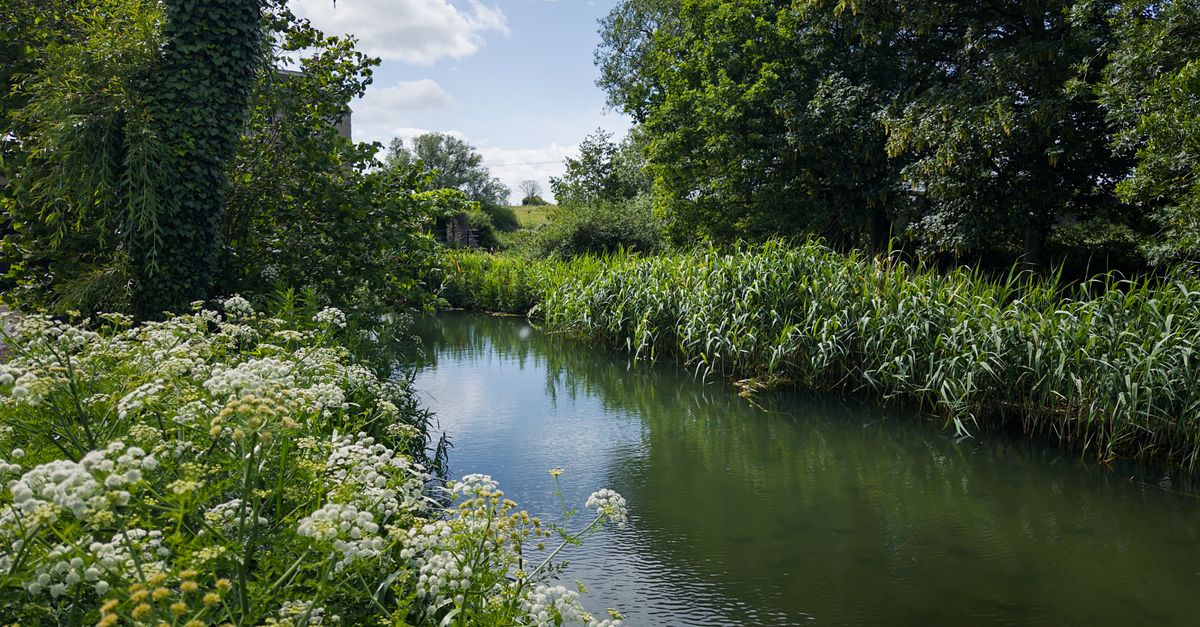
Chalk streams run like veins through Hampshire and Wiltshire. The River Test and the Itchen set the standard: crystal water, steady temperature, and beds of clean flint and gravel that coax out the finest brown trout.
Anglers learned here that presentation matters more than power. The dry-fly technique was refined on these waters — delicate flies floating like insects, not dragged through the current. The result was a shift from brute tackle to finesse: lighter leader, smaller flies, and a patience that rewards precision.
Why chalk streams are different
Water percolates through chalk aquifers, emerging from springs with a constant flow and mineral-rich clarity. That clarity creates selective trout: wary, selective, and rewarding to sight-fishing. Grayling show in winter; dace and chub lurk in backwaters; brown trout dominate the story.
Equipment follows the water. A fine dry-fly setup, nimble fly rod and soft leader, and reliable waders fit an angler to these rivers. The scene is unmistakable: a bent, whispered cast, a floating fly, and the sudden, bright take of a trout lifted from flinty depths.
Recommended: carbon fibre fly rod