
Chalk-stream Craft: The River Test Tradition
Chalk-stream Craft: The River Test Tradition
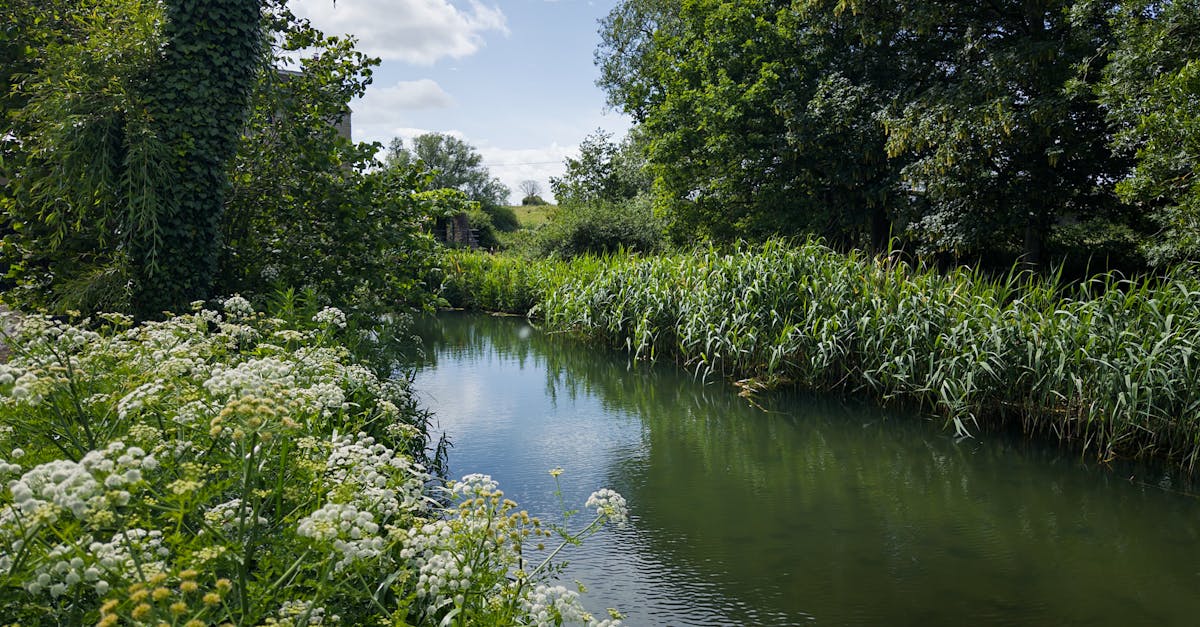
The River Test at Stockbridge is the template: clear water flowing over fine chalk, watercress beds glinting, brown trout rising to delicate drakes and grayling hovering in tails.
Dry flies and delicate presentation
Anglers on the Test learned fast that the trout are selective. A light touch, an upstream cast and a tippet that vanishes into the column make the difference. The chalk-stream method favours dry flies during mayfly and caddis hatches, demands long silk leaders, careful upstream mends and restrained casting rather than brute strength.
The modern codification of the style owes much to Izaak Walton’s reverence for trout and to Frederic M. Halford’s dry-fly doctrine; Halford’s Dry-Fly Fishing in Theory and Practice popularised the approach and sharpened its rules. Later thinkers softened hard lines and reintroduced nymph tactics for deep, wary fish that refuse the surface.
Glass-clear beats, chalky banks and old mill-houses still map the Test and the Itchen in Hampshire. A seasoned rod reads rise-forms and invisible currents, matching fly to hatch and mood; waders sit in cool shallows while casts unfurl. A fly, a drift, and a trout that owns the water.