
Chalk-stream craft: River Test and the dry-fly tradition
F.M. Halford and the River Test: the dry-fly tradition
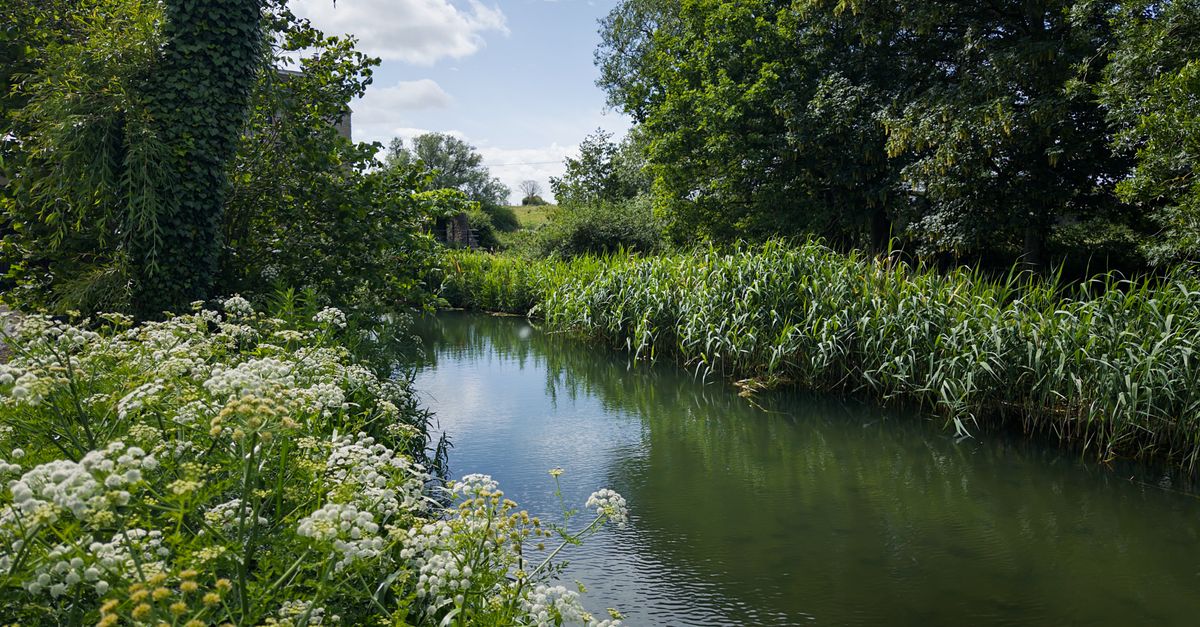
F.M. Halford's name sits on more mantelpieces in Hampshire than any other angler. He championed the chalk-stream dry-fly, turning the River Test and the Itchen into laboratories for presentation, imitation and etiquette. The water is clear as glass; the trout are brown trout, lean and picky, reading every ripple.
Presentation came first. Flies that floated like the local mayfly, long leaders, and upstream casts that failed visibly were all unacceptable. That single-minded approach defined an era of fly-fishing technique that prized stealth and surface craft above brute force.
Tactics and tackle
Anglers developed specific rigs: fine tippets, hairwing dries, and short, precise casts to rising fish. Nymphing arrived later as a practical counterpoint, championed by anglers who sought deeper takes beneath the surface. The classic chalk-stream toolbox holds a light, responsive rod, a tapered floating line and a delicate net.
These streams taught respect for river reading. Fish hold in clear seams, behind watercress banks, beside submerged gravel bars. On a bright May morning a trout breaks the surface in a single, clean flash, the dry-fly lifted, and the chalk stream keeps its old, patient rhythm.
Recommended: waterproof breathable waders