
Chalk-stream Craft: River Test, dry-fly and the English tradition
The River Test at Stockbridge carries a clarity anglers recognise instantly
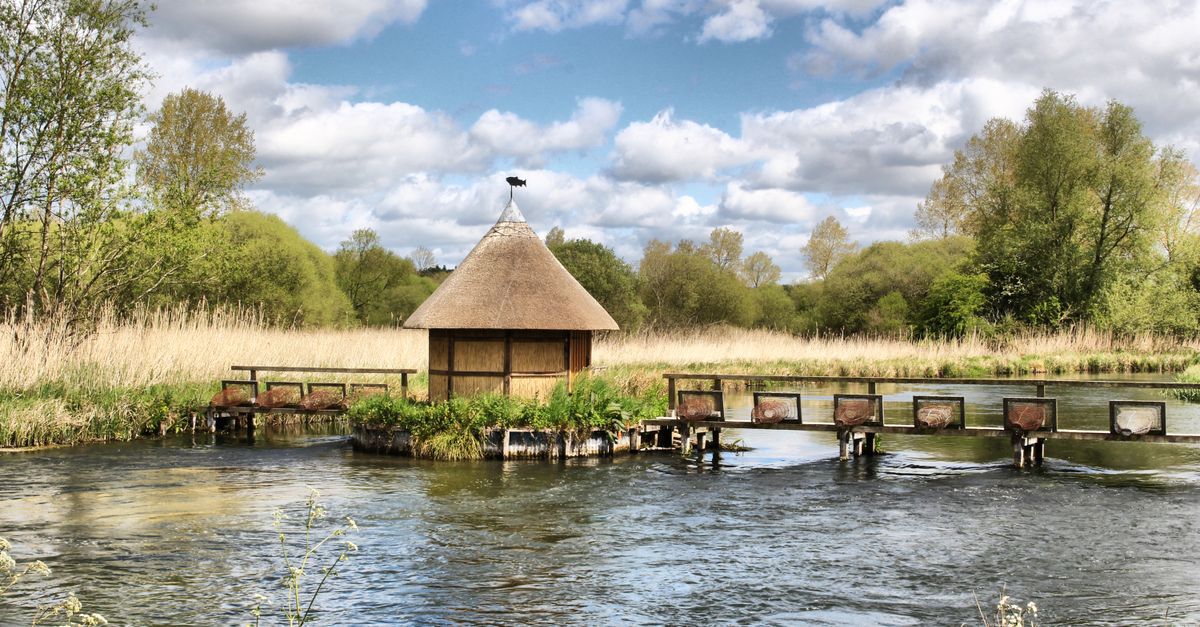
The Test and the Itchen are the measuring rods of English fly craft. Water runs through white chalk aquifers so clear that brown trout and grayling see the world in silhouette; a well-tied fly reads like a telegram. The chalk-stream dry-fly tradition grew where that clarity made presentation everything.
Anglers shaped modern dry-fly technique in the late nineteenth century, most famously via Frederic M. Halford and his adherents on the Test and Itchen. They insisted on upstream presentation, pale-winged mayfly imitations and feather-light drifts. That insistence changed tackle, tactics and the very etiquette of the beat.
Patterns, pace and the patient art
March Browns, duns and delicate emergers dominate hatches; matching silhouette beats matching colour. Fishable water is a sequence of riffle, run and tail—reading seams wins more than brute force. Clubs and private beats taught restraint: short casts, neat leader work, cautious footwork.
Gear suits the lesson. A light rod, slender taper lines and soft leaders give the fly a natural fall. Waders allow access to seams without spooking fish. The reward is small and exquisite: a brown trout sipping a dun at last light, then gone before applause can form.
Recommended: waterproof chest waders