
Chalk-Stream Craft: The River Test Tradition
The River Test at Stockbridge: glassy riffles and tailing brown trout
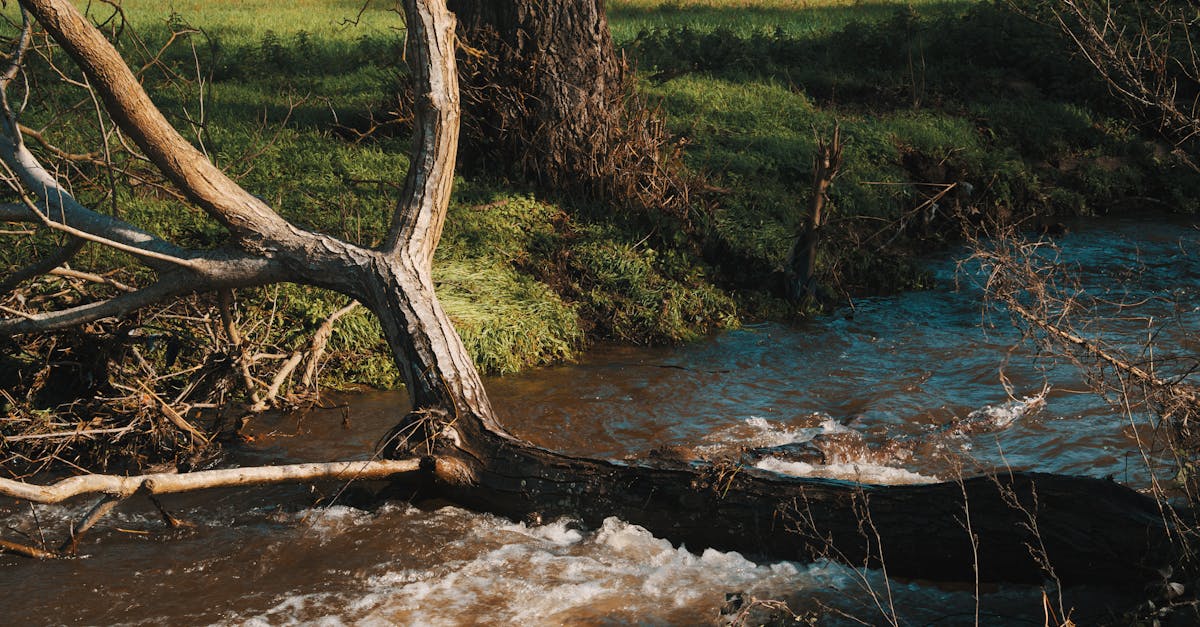
The Test runs like an argument about clarity. Water so clear roped beds of watercress sit visible beneath the glass, and brown trout lift to dry flies in daylight that would hide in darker rivers. Beats are measured, casts counted, and the rhythm is meticulous.
Why chalk makes the fishing
Chalk springs feed steady, cool water. That steadiness grows water insects in reliable runs: sedges, olives, the March browns that anglers tie again and again. An experienced angler on the Test reads lies like a page—shallow tails, undercut banks, grassy margins where grayling and trout hold.
Technique is pared back. A delicate rod, precise mending, a dry-fly presentation with small flies and long leaders. Wading is careful; the gravel beds are spawning grounds and every step matters. The tradition prizes skill over gadgetry.
History sits in the hedgerows. Anglers from Izaak Walton's era onwards shaped etiquette here: quiet approaches, matching the hatch, and an eye for the perfect cast. The Test taught a national style of chalk-stream fishing that spread to other southern rivers.
On a calm morning a single dry-fly, lifted across a glassy riffle, can be the only announcement of a trout taking—then the line sings. That sudden, bright lift of water: the Test's signature scene.
Recommended: waterproof fishing waders