
Chalk-stream Secrets: The River Test and Its Trout
River Test at Stockbridge: trout visible a rod-length away
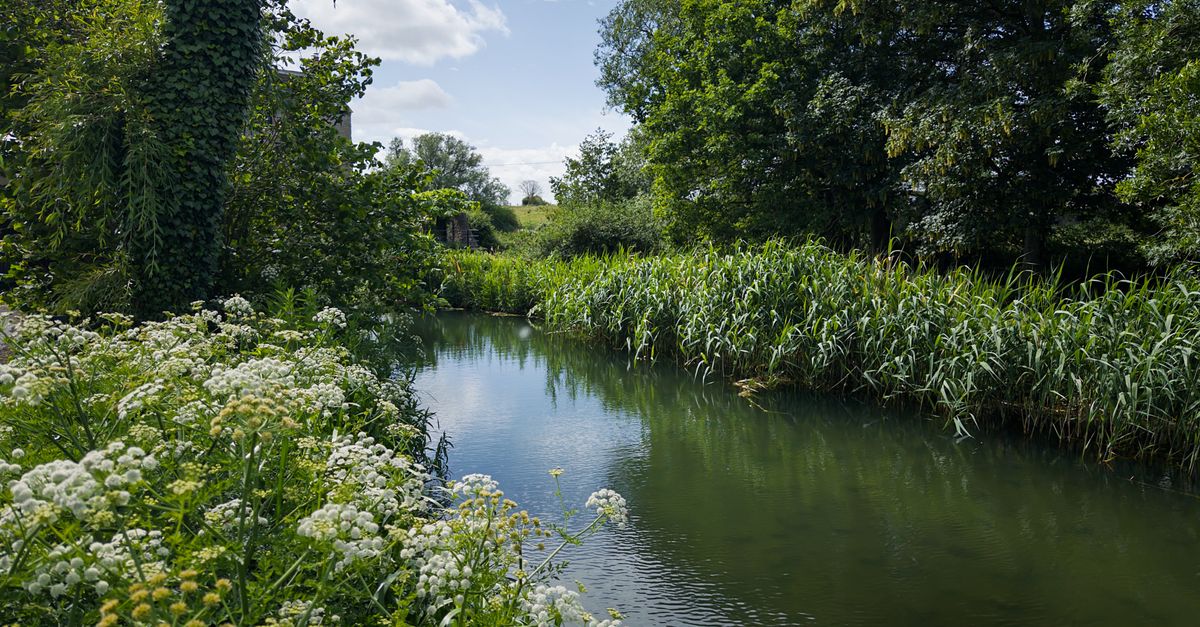
The River Test runs on chalk. Water from the aquifer comes out clear and cold, laid over gravel beds that brown trout and grayling know by feel. The clarity turns fishing into a game of stealth; trout can see a fly a long way off, so presentation matters as much as choice of fly.
Spring-fed rivers and the life they support
Springs keep temperature steady and oxygen high. Algae and watercress fringe the margins. Mayfly and caddis hatches happen in precise pulses, making trout selective and rewarding anglers who read the river. The Test, the Itchen and the Avon share that chalk character — shallow riffles, slow glides, and lies behind clean gravel shoals.
Technique favours light tackle. Single-handed rod work, delicate upstream presentations and fine tippets match the selective mood of the fish. Nymphing under an indicator, tight-line sighter tactics, and classic dry-fly casts all earn their place. A well-timed pause can be the difference between a glance and a committed take; the word rod is often spoken with reverence on these banks.
Dry-fly tradition grew here; writers such as F.M. Halford set the doctrine on rivers like the Test. Beats and water meadows shaped an angling culture that prizes patience and local knowledge. Waders are as essential as discretion—wading too deep or noisy will shut down a day of promising rises.
Morning light picks out a rising trout and the dun it wants. A careful lay-down, a soft mend, a silver back breaking surface — that single decisive strike is the reason chalk-stream anglers keep coming back.