
Chalk-stream sea trout in March
Chalk-stream sea trout in March: lifecycle focus and angling approach
Lifecycle focus
Sea trout (Salmo trutta) arriving on southern English chalk streams in March are frequently first spring runs of one-sea-winter fish. These pioneers carry marine-derived energy into otherwise oligotrophic spring systems and can be disproportionately important for genetic resilience and early-season population dynamics. Historic angling literature from the Test — long regarded as the birthplace of modern fly fishing — records observers noting March movements for centuries.
Water-temperature triggers
On spring-fed rivers such as the Test, Itchen, Kennet, Wylye and Hampshire Avon, arrivals tend to follow sustained warming to roughly 6–8°C. Small night-time rises at shallow springheads and groundwater upwellings that are a degree or two warmer form thermal corridors, concentrating the first migrants where they can detect slightly higher temperatures.
Fly patterns for March
March conditions favour small, subtle offerings: swung wets and nymphs like Black Pennell, Diawl Bach and Gold-ribbed Hare’s Ear, fished on slow retrieves, take many fish. For surface or near-surface contacts, small dark duns, Parachute Adams and subdued CDC emergers mimic sparse early mayfly and stonefly activity; tapered leaders and gentle hand-twists improve presentation.
Stealth wading and handling
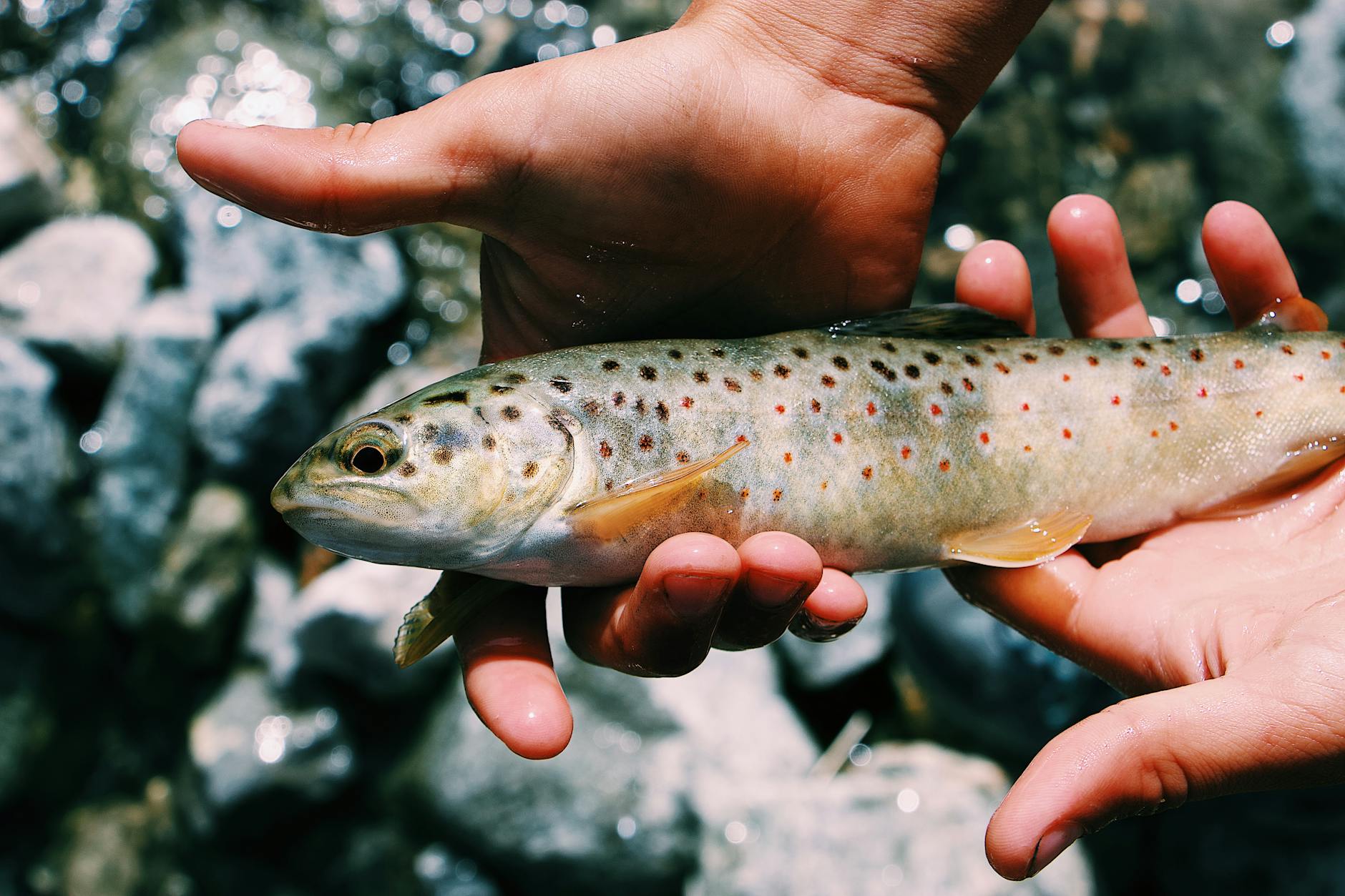
Chalk gravels and early redds are fragile: minimal wading, soft-soled footwear and avoidance of spawning shallows preserve substrate. Long, light leaders (6–9ft) and fine tippets aid subtle presentation. Handling should be brief and gentle — wet hands, horizontal support and in-current revival — with limited net use to reduce post-release stress.
Early migrant hotspots
Anglers seeking first runs should inspect springheads and confluences: the lower Test near Stockbridge, the Meon springs, upper Itchen above Winchester, Wylye gravels and Kennet mouths often hold early visitors before upriver pulses drive larger movements.