
Chalk-Stream Secrets: How Hampshire Shaped Dry-Fly Fishing
River Test at Stockbridge: a chalk-clear classroom for dry-fly anglers
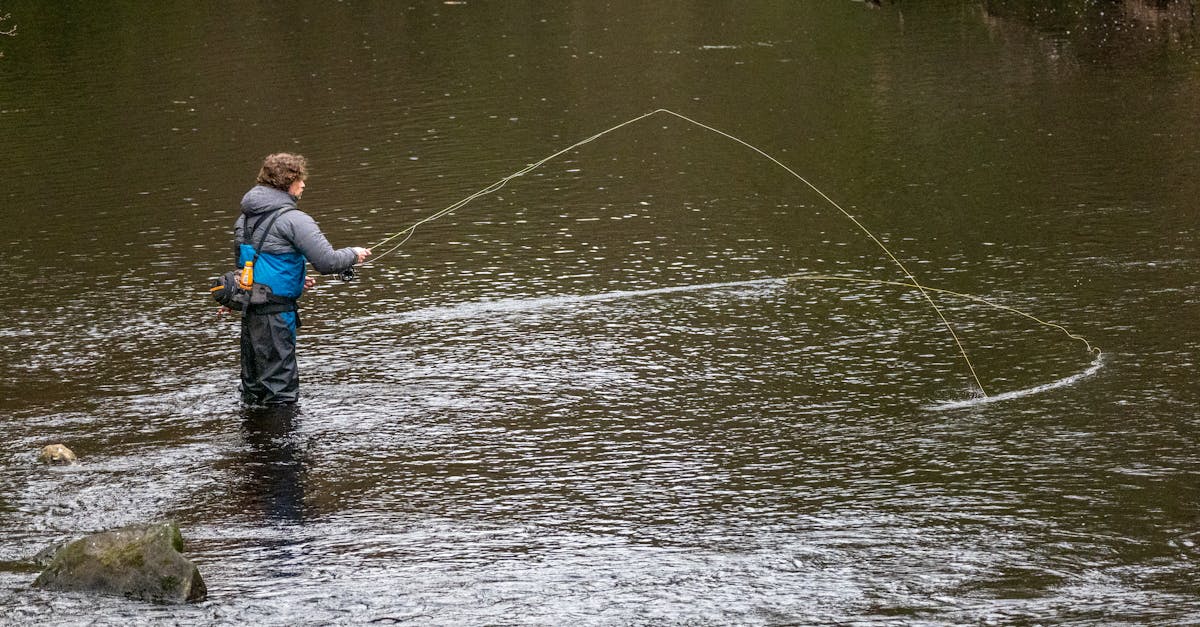
River Test water runs like glass. Brown trout rise in plain view, often to modest mayfly imitations called the dun and the spinner. Anglers on the banks learn to read gravel seams, water crowfoot and the faint ripple where a trout inhales a fly.
From Walton to the dry-fly masters
The Compleat Angler set the tone for English fly lore, but the modern dry-fly discipline was forged on these Hampshire streams. Late 19th-century practitioners refined dressings, tippets and presentation until a floating fly could fool the wariest trout in inches of clear water. That insistence on subtlety—matching size, tone and drift—still defines chalk-stream technique.
Opposing schools followed. One camp prized immaculate dry presentation on tail-water glides. Another argued for nymph work in riffles and runs, a pragmatic answer when trout refused surface takes. The debate sharpened tackle development: lighter rods, finer leaders, and flies tied to imitate life rather than dazzle.
Today the scene is unchanged in essentials. An angler spots a rise, slips into waders, fits a delicate leader to a slender rod and watches a trout inspect the offering. The take is quick, bright, and local—chalk, weed, and the constant breath of freshwater on a Hampshire morning.
Recommended: breathable fishing waders