
Chalk-Stream Secrets: How the River Test Shaped Dry-Fly Fishing
River Test, Stockbridge: a river whose clarity turned flies into high art
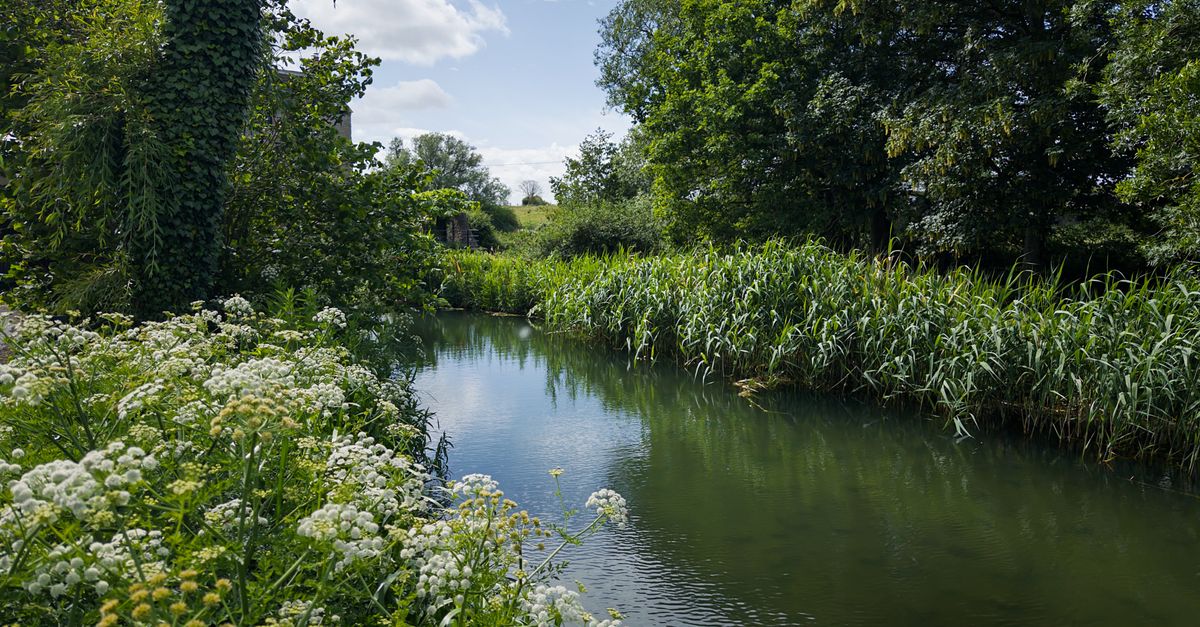
The Hampshire chalk streams — the Test, the Itchen, the Kennet — produce water so clear and cold that every ripple counts. Gravelly beds, steady gravel humus, and steady springs create the exact conditions brown trout and grayling prefer. That clarity forced anglers to refine tackle and style until presentation became everything.
On those rivers a debate hardened into tradition. One school insisted on the dry-fly, a tactic of stealth and upstream presentation that reads like etiquette: match the hatch, keep line off the water, and let the trout take a floating imitation. Another argued for nymphing, teasing subsurface trout with imitations. Both shaped modern fly angling on chalk streams.
Technique and gear born of glassy water
Chalk-stream craft rewards delicate rods, fine tippets and unhurried casts. A light rod and the right leader let a dry fly drift natural in the slow glides and pocket water. Waders are common where banks are soft; polaroid glasses pick out takes in the sunlit shallows. Flies mirror tiny olives, sedges and pale mayflies—subtlety wins.
Beats carved into long, measured lengths and a patient upstream cast still define the day on the Test: a pale fly lying like a promise, a trout rising, one clean strip and the line slackens under a brown trout’s first headshake.
Recommended: waterproof fishing waders