
Chalk-Stream Secrets: The Test, Itchen and Dry-Fly Craft
Itchen and Test: where March browns rule
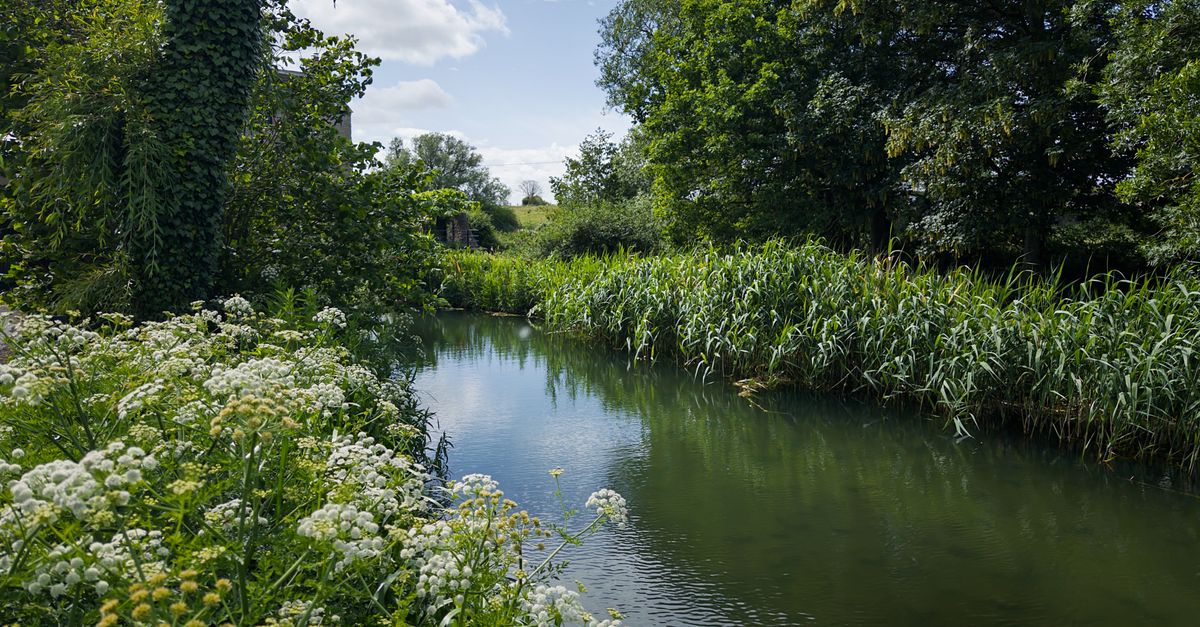
The River Itchen at Winchester and the Hampshire Test run like aquifers made visible: clear, alkaline, and unnervingly steady. Chalk underlies every seam, producing the pale green shallows and watercress banks anglers learn to read by sight rather than sound.
These streams forged a style. Dry-fly precision arrived here—finger-width drifts over gravel where brown trout and grayling inspect each offering. Frederic M. Halford's formalism sits beside G. E. M. Skues's practical nymphing; the debate over dry versus wet lives in club rooms and on polished beats.
River character and gear
Flow is gentle but unforgiving. A missed mend, a snagged leader, and trout bolt to a seam of chalk darker than the next. The fish are selective; mayfly and March brown patterns work as story and currency. Tackle is light: a fast-tip fly rod, delicate leaders and the silent confidence of good waders.
Beats are intimate—miles of privately managed water, chalk springs feeding narrow runs, tailors of watercress and silt. An angler steps in with boots wet, shoulder set, watching tiny riseforms. The scene feels old: a pheasant-tail dipped in clear water, a brown trout taking and the line singing downstream.