
Chalk-stream craft: How the Test and Itchen forged dry-fly fishing
Halford's 1889 pivot and the River Test legacy
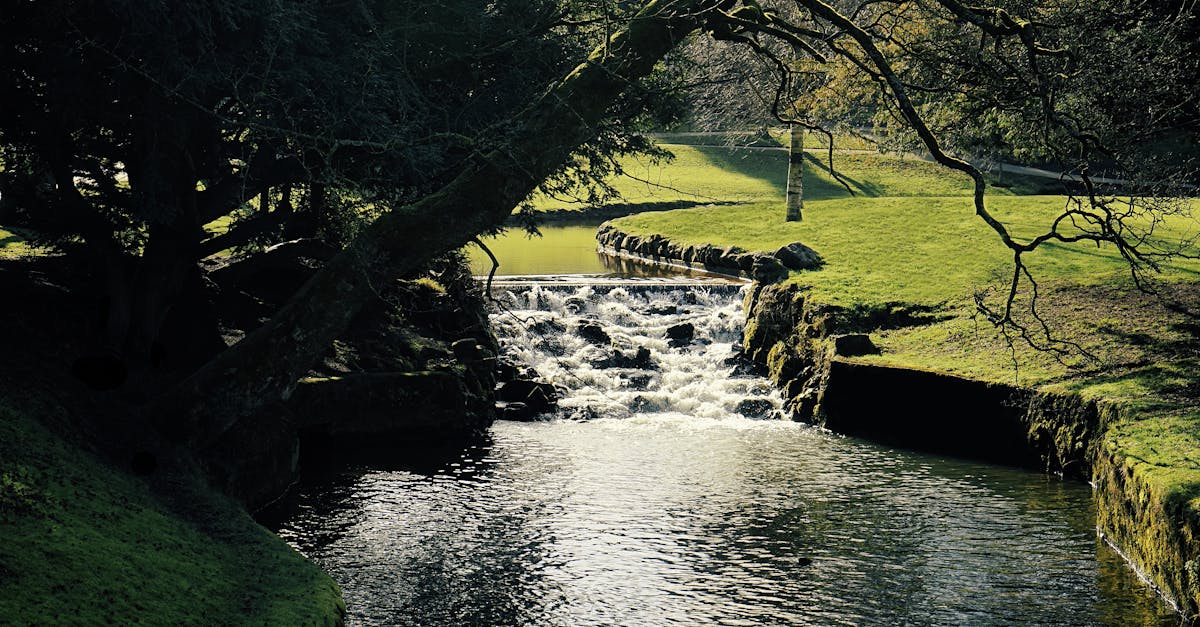
The River Test at Stockbridge is shorthand among anglers for clear water and exacting trout. Frederic M. Halford's 1889 book put place and practice together, insisting on a pale, upstream dry-fly presentation suited to the Test, Itchen and other chalk streams of southern England.
Chalk streams are different. Limestone underfoot filters water to a steady temperature and a subtle alkaline chemistry. The result is gravelly beds, water crowfoot, plentiful mayflies and hungry brown trout that see everything coming but reward the precise cast.
Two schools, one river
Halford's clean-dry aesthetic met later nymphing advocates who fished subsurface tactics for the same trout. That debate sharpened technique: finer tippets, lighter leaders, and an emphasis on reading lies and current seams rather than brute baiting. An angler on the Test watches ripple, current, and the way a fly drifts; practice becomes memory.
Equipment followed the water. A well-balanced rod, delicate flies tied to imitate Baetis and Ephemerella, and soft-soled wading boots became standard on chalk banks. The casting is patient, the strike decisive, and the reward is a brown trout taken from crystal water that seems to belong more to the river than the angler.
At dusk, the chalk stream silvering under low sun shows why the method endured: fish that choose when to rise and rivers that force the angler to match them note for note.
Recommended: breathable chest waders