
Chalk‑stream dusk on the Test
Stockbridge, River Test — 20‑inch brownies in willow seams
Behavior at Dusk
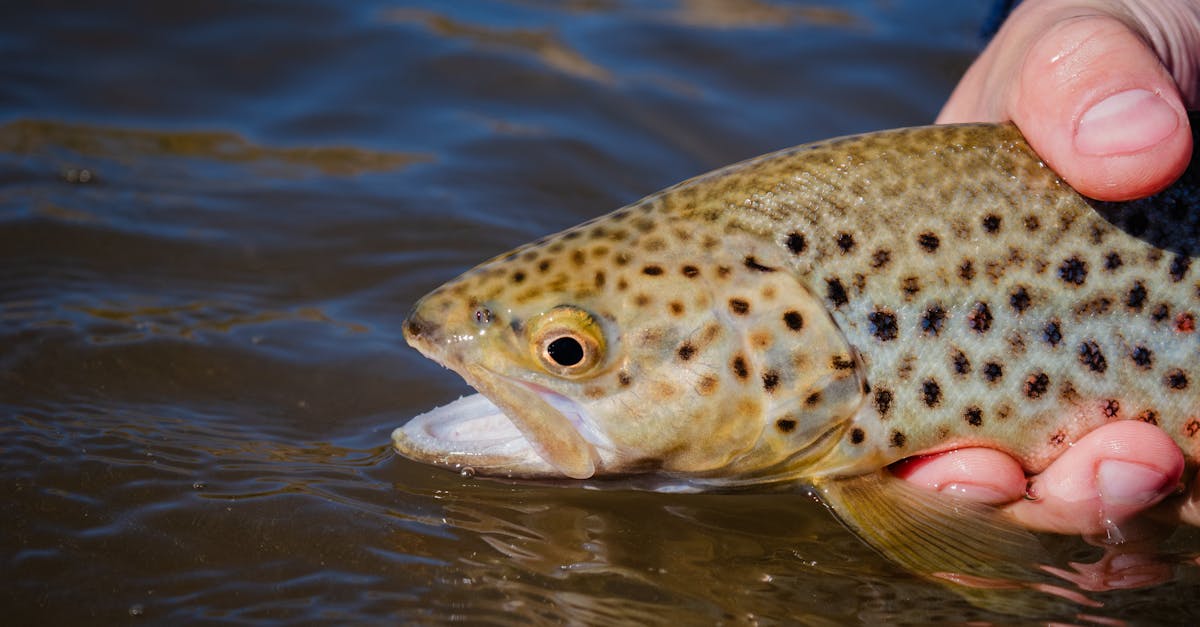
On the River Test at beats like Stockbridge and Longparish, brown trout up to 20 inches move into shallow willow seams—6–12 inches deep—as light falls. The seams sit beneath overhanging willow and undercut roots; they concentrate drifting caenis and olive duns and give fish immediate cover. As evening cools to around 10–12°C a one‑hour feeding window opens. Trout line up nose‑to‑tail in the seam, tails fanning, ready to ambush emerging insects or washed‑in nymphs without leaving the shelter of the fringe. Gentle rain that tints the flow makes the seam even more productive, masking movement and disguising approach.
Trusted Fly and Technique
Local ghillies still trust the Treacle Parkin: hare's ear body, grizzled hackle, starling wing, tied sparse on size 14–16 for typical Test olives. Cast upstream about 20 feet and mend to achieve a drag‑free drift across the seam's bubble line; the fly's crippled dun action provokes savage sips. Approaches are soft—wading boots for stray footsteps—while keepers tell Victorian tales of lanterns and ghostly seams heaving with trout.
From River to Pan
When trout hit the bank, pan‑fry fillets in butter and finish with wild watercress picked from the chalk banks. A squeeze of lemon and a whisper of pepper is all the Test needs.
Recommended: waterproof wading boots