
Chalk Streams and the Dry-Fly: River Test Traditions
River Test at Stockbridge: a chalk-stream bible
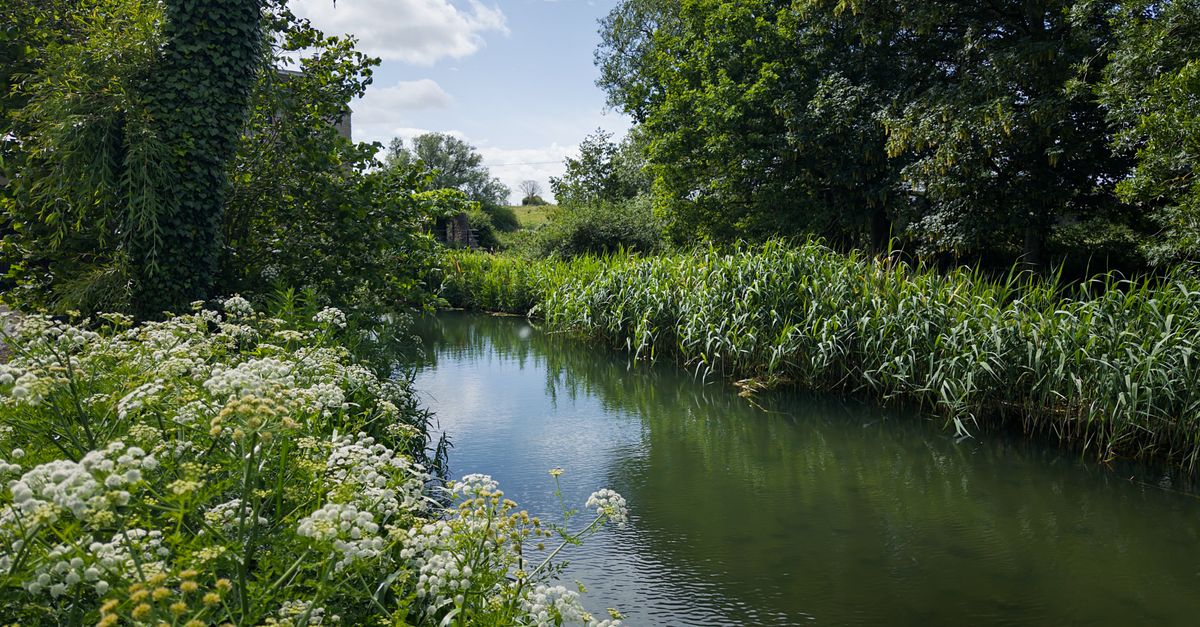
The River Test at Stockbridge is the name that anglers use when they mean clear gravel, coffee-brown trout and a presentation so precise the fish have no excuse. Chalk streams run from aquifers; the water is steady, mineral-rich and forgiving to dry flies. The brown trout that live here are sight-fed—every ripple matters.
The dry-fly revolution began on these banks. Frederic Halford set the tone: upstream casts, pale hackles, immaculate dressing. G. E. M. Skues answered with nymph work in the margins. Both voices shaped technique, and both still shape the morning routine of a day on the Test.
Technique and kit
Presentation beats power. A long, light rod, tapered line and a fine tippet let a fly settle like a moth. Walk gently. Read glassy beats and riffles. Change fly size before changing theory. Modern anglers bring breathable waders, delicate leaders and a small landing net, but the essentials are the same as a century ago: sight, patience, and a steady hand.
On a good beat a dry fly will sit, a trout will rise in a half-moon, and the world narrows to knot, hook and the little life beneath the surface.
Recommended: waterproof fishing waders