
Chalk Streams: River Test and the Dry-Fly Tradition
River Test: the chalk‑stream that taught dry‑fly fishing
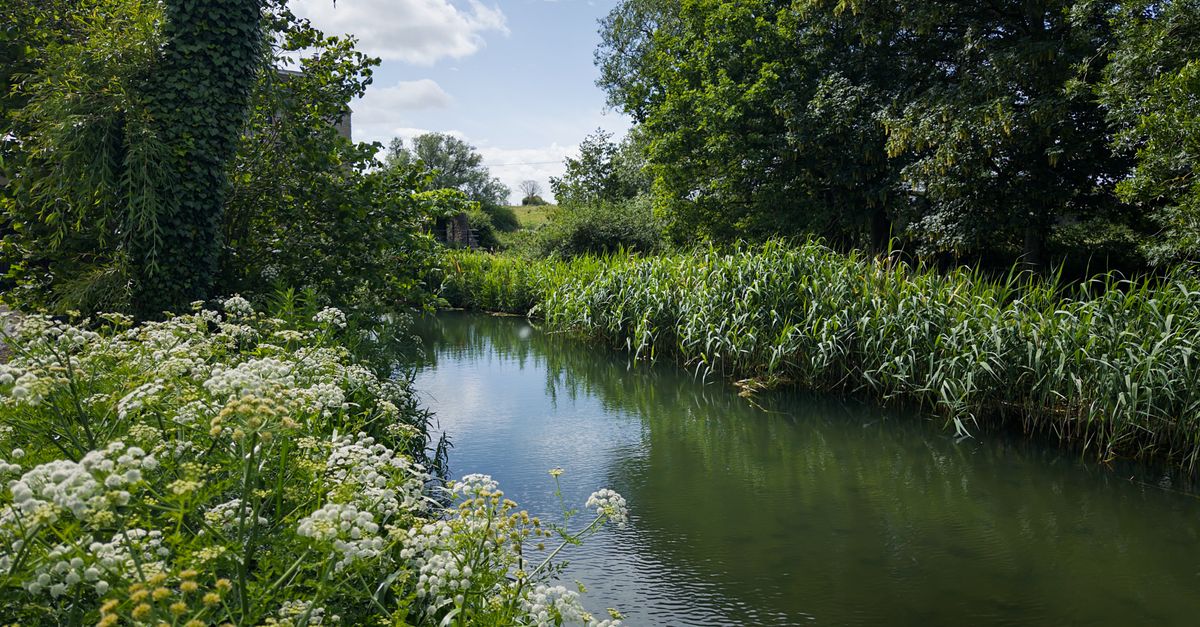
River Test in Hampshire is synonymous with gin‑clear water, gravel beds dusted with watercress and trout that can be watched rise in the shallows. Anglers learned here to read light, current seams and the tiny clues a rising trout leaves on mirror‑flat water.
Frederic M. Halford championed rigid dry‑fly craft on these waters: upstream presentation, perfect imitation and a reverence for the surface take. G. E. M. Skues pushed back with nymphing, reminding anglers that brown trout feed under the surface as readily as they sip mayflies. That conversation shaped technique and tackle for a century.
What makes a chalk stream
Spring‑fed chalk streams run cool and clear, with steady flow and high visibility. The geology gives a neutral, mineral‑rich water that supports stable insect hatches—mayflies, sedges, and a steady march of duns and spinners—so sight fishing becomes the skill of the place. Long, delicate drifts and subtle fly selection trump brute force.
Anglers favour light single‑handed rods, soft leaders and thin tippets to coax wary trout. A careful cast, a dead drift and the right pattern—parachute dries, small mayfly imitations or precise nymphs—decide the day. Waders and a fine net complete the kit; the discipline is about finesse as much as gear.
Beats shaped by mill history, banks edged with watercress beds and the slow choreography of fish and insect make the Test a classroom for sight fishing. Morning light, a slow rise, and the soft clink of a flyline on a quiet Hampshire bend: that scene is the chalk‑stream lesson in a single picture.
Recommended: waterproof chest waders