
Chalkstream Evening Shifts
Upper Itchen's 10–11°C chalkstream balance is under pressure
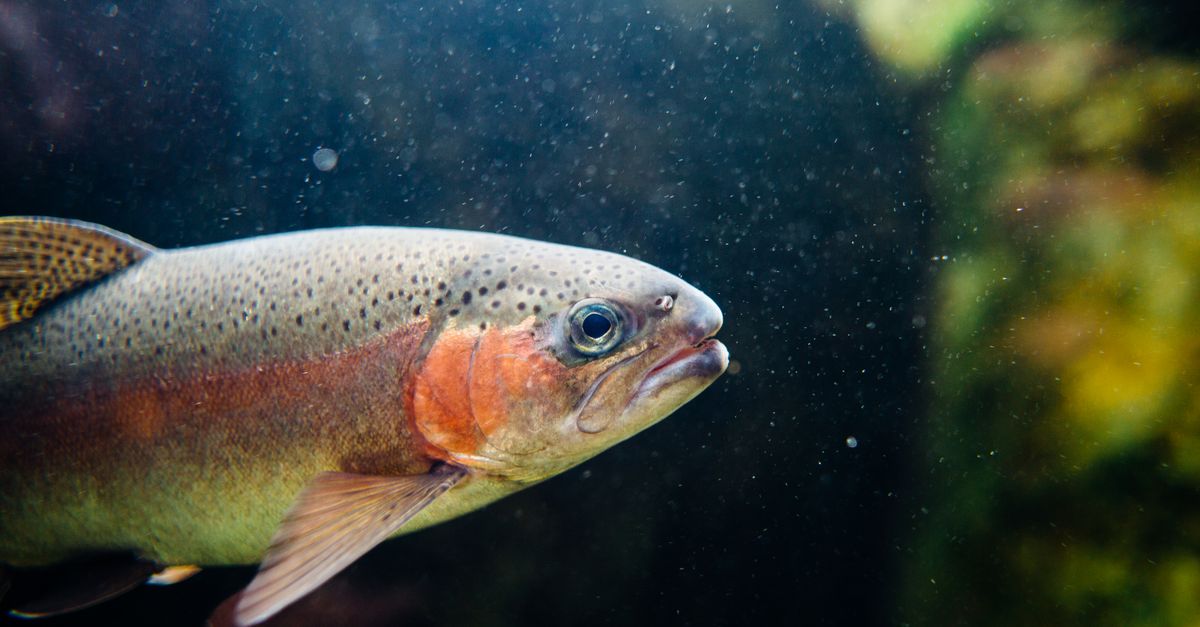
In Hampshire’s Upper Itchen and the River Test, natural water temperatures cluster around 10–11°C and evening rises once ran long and steady with caddis and mayfly. Groundwater abstraction that peaked in the mid-1980s, heavy summer insecticide loads and a blanket of microplastics have thinned macroinvertebrate communities and compressed those rises into sharp twilight peaks.
Lower baseflows and warmer surface water reduce dissolved oxygen and stress Salmo trutta. Microfibres from clothing and tyre particles now blanket headwater gravels, smothering nymphs and reducing suitable emergence habitat across classic beats between Basingstoke and Cadnam.
What anglers see at dusk
Instead of a long surface feed, trout concentrate feeding into a tight crepuscular window. Tactics change accordingly: light, stealthy presentation with a 9ft, 4–6lb rod, 0.12–0.14mm fluorocarbon line and size 14–16 dries such as CDC Snowy or Pheasant Tail to match smaller, sparser emergers.
Beats on the Upper Itchen near Cadnam and the Test downstream show clearer responses to pollution pulses: spring and autumn still give better, longer rises, while June insecticide peaks shorten the activity. Restoration that protects baseflow and cuts pollutant loads directly lengthens emergence and restores those long, luminous evening rises.
Trout of 1–3kg sit low in tailouts and riffles; when a cautious evening hatch arrives a single mayfly swarm can light up a beat and send fish lifting in a brief, electric scene under the chalkstream sky.