
Chalk‑stream mechanics: Test & Itchen dusk mayfly windows
River Test and River Itchen: 20–60 minute dusk hatch windows
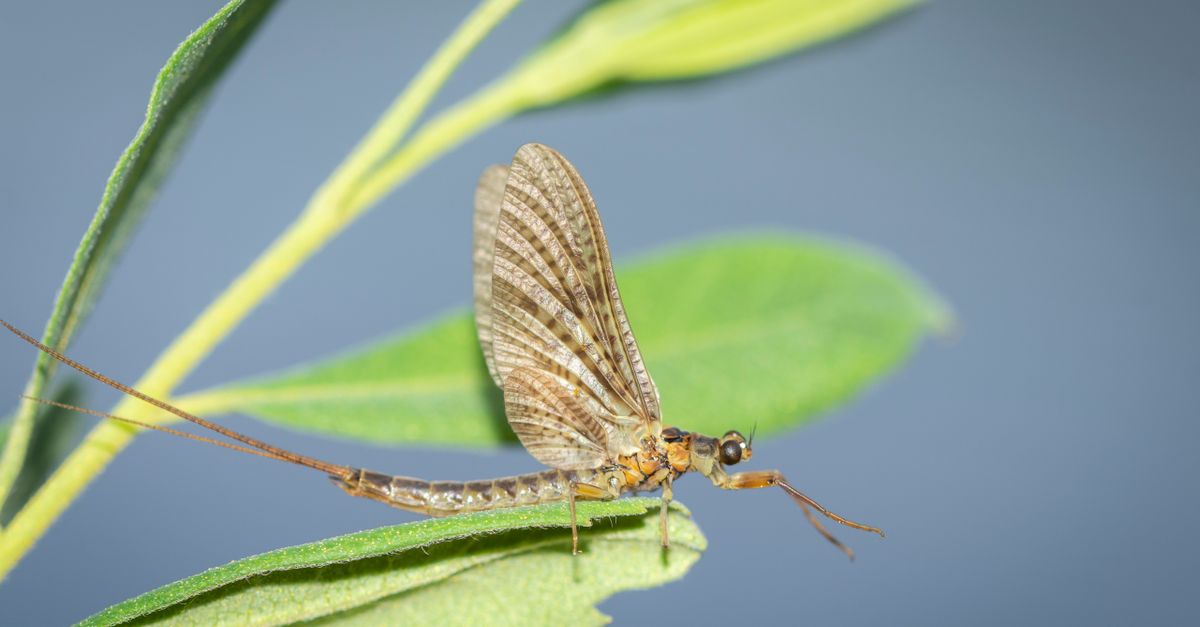
On the middle beats of the River Test and River Itchen the chalk and flint gravel does more than hold trout; it times the hatch. Clean, fast, oxygen-rich seams over gravel favour Baetis and Ephemera danica, creating a daytime pipeline of nymphs to duns and, crucially, predictable evening pulses.
Hatch activity concentrates in riffles, margins and long runs rather than deep slack. An advance party of duns arrives first; the full emergence then tightens into a 20–60 minute window around dusk when light drops and adults drift back over the same riffles and glides.
Why gravel matters
Gravel size and cleanliness control oxygen and drift, so brown trout Salmo trutta lie close to the gravel lip, under cut banks or on tailing glides in shallow water of about 1–3 ft. Big fish take in slightly deeper slots or weed edges where flow still carries naturals.
Tackle follows the tick: long leader and fine tippet, stepping up to thicker nylon for the mayfly period, and degreasing the first 2–3 ft so the fly lands right. If full duns are refused, switch to an emerger pattern—foam-backed emerger models sit perfectly in the surface film.
At dusk a trout will switch hard; the surface goes quiet then a flash and the soft pop of a spinner taken over gravel ends the day.