
Chesil Beach Bass Rig Tip
Langton Herring at dawn: punch the first gully with an inline sinker
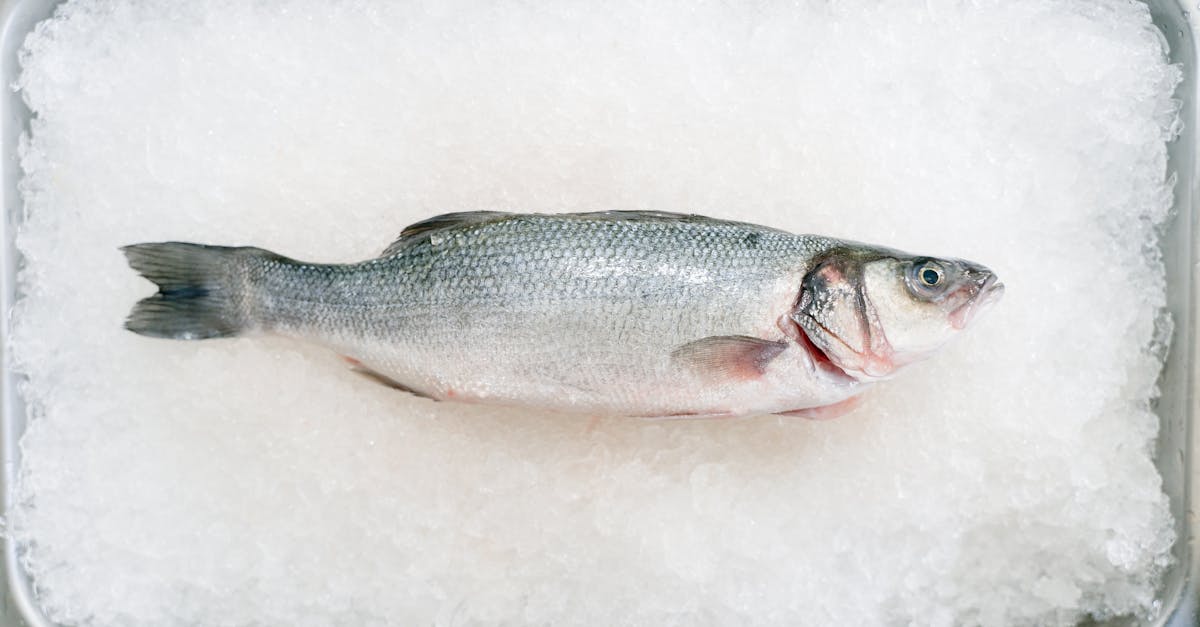
The angler rigs 15–20 lb main line—braid or mono—with a shock leader when casting hard, then threads an inline sinker to send the bait clean through Chesil's shingle wind. Start 4–6 oz on calm mornings; move to 6–8 oz when surf or side‑wind builds toward West Bexington and Abbotsbury.
Tie a barrel swivel to the main line, add a bead above it to protect the knot, then run a short loop or clip for the sinker so it sits directly in front of the rig. Attach a short hook snood, always shorter than the sinker drop, so the lead settles first and the bait trails behind.
Use a 30–45 cm trace for sandeel fillet, squid strip or lugworm; if helicoptering persists, trim the trace to 20–30 cm, stiffen the snood and shorten soft bait. A low, smooth cast at roughly 30–45° to the horizon aimed slightly upwind gives better distance than a high lofted lob.
When the sea moves at the Fleet end or the Langton Herring stretch, the lead cutting into the wind keeps the rig tight as it lands; bass hit the first gullies where sandeel and ragworm gather and the trace flies straight from the sinker into the surf.
Quick checklist
Main line 15–20 lb, inline sinker weight to match conditions, short snood, 30–45 cm trace, low casting angle—then watch the ripple on first light as a bass cracks the surface.
Recommended: stainless swivel pack