
Short quiver‑tips for winter reservoir success
Compact cold‑weather bank kit: three short winter quiver‑tip setups
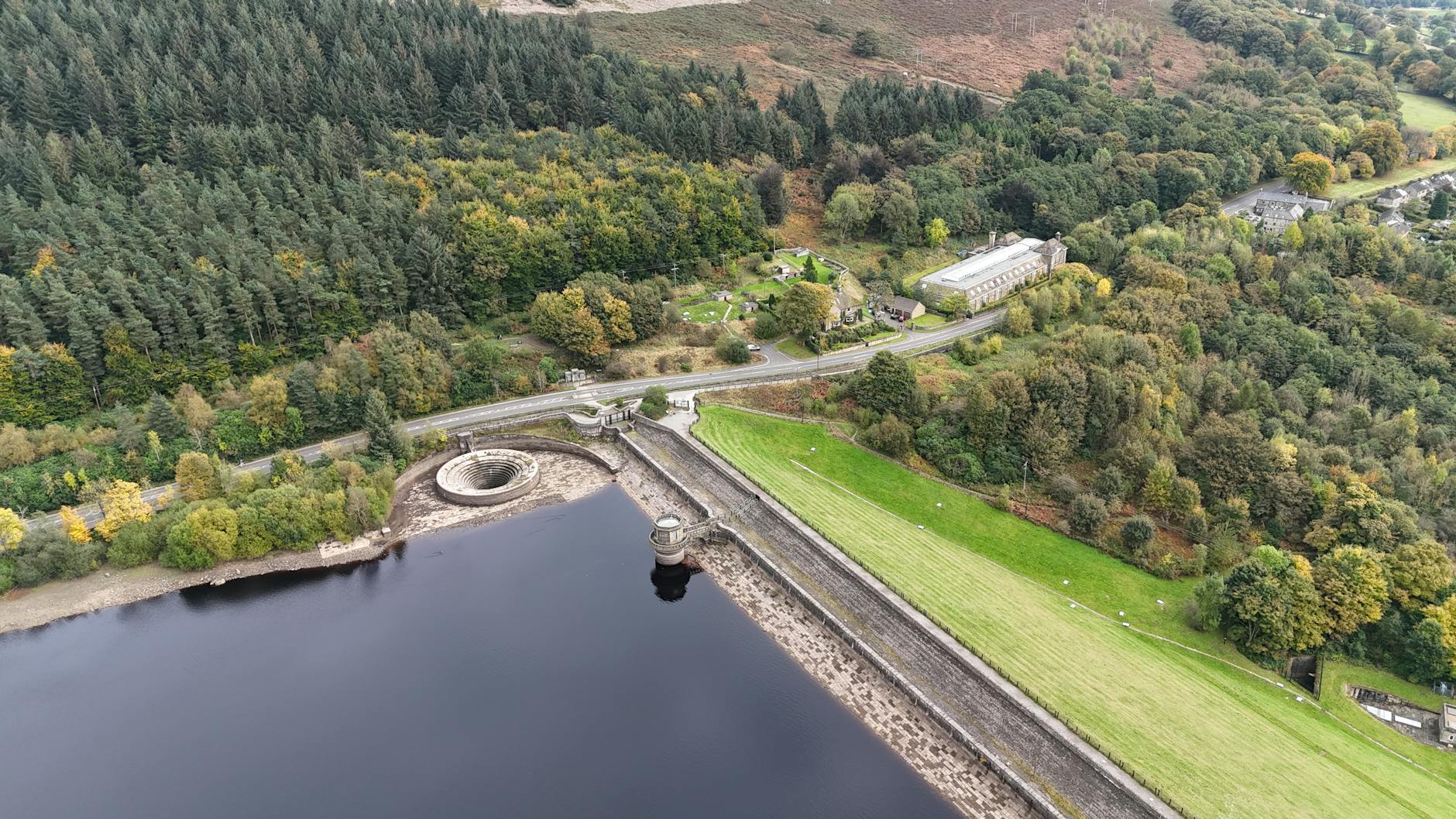
Surprising UK angle
One lesser‑known fact: on chalk‑stream‑fed reservoirs such as Rutland Water and Grafham Water, many winter anglers favour sub‑12ft quiver‑tips because the cold, clear inflows transmit extremely subtle roach and bream picks; a shorter, stiffer butt-to-tip assembly reduces perceived lag and improves hook‑up rates in February sessions.
Three short setups compared
1) Carbon micro‑quiver: ultra‑sensitive carbon blank with a soft carbon tip, best for light ledgering for roach and dace on Lake Windermere margins. 2) Telescopic match quiver: compact, portable for tight banks at Ladybower and urban stretches of the Thames, tolerates frequent transport between swims. 3) Glass‑composite winter specimen quiver: slightly heavier tip for ledgering bigger baits for winter carp at Rutland or pike microbaits; trades some sensitivity for ruggedness.
DIY heated rod‑sock (tip‑ice prevention)
A pragmatic sleeve: a short neoprene sock lined with thin thermal fleece, a sealed USB rechargeable hand‑warmer pad (5V powerbank compatible) placed along the tip zone, and a small Velcro flap to secure. Activate between casts to prevent tip‑ice build‑up; ensure water‑resistant sealing and avoid heating directly under line guides.
Cold‑lubes and LED clip
Use low‑viscosity synthetic reel oils from UK brands such as Drennan or low‑temp Shimano oils, and a low‑temp synthetic grease for gears. For night sessions, a warm‑white LED bank clip powered by CR2032 or small AA cells clipped close to the butt illuminates the tip area without destroying night vision—favoured on low‑light February sessions at Grafham and Rutland.