
The Cornish huer's March call
The Cornish huer's March call
An acoustic lighthouse for shoals
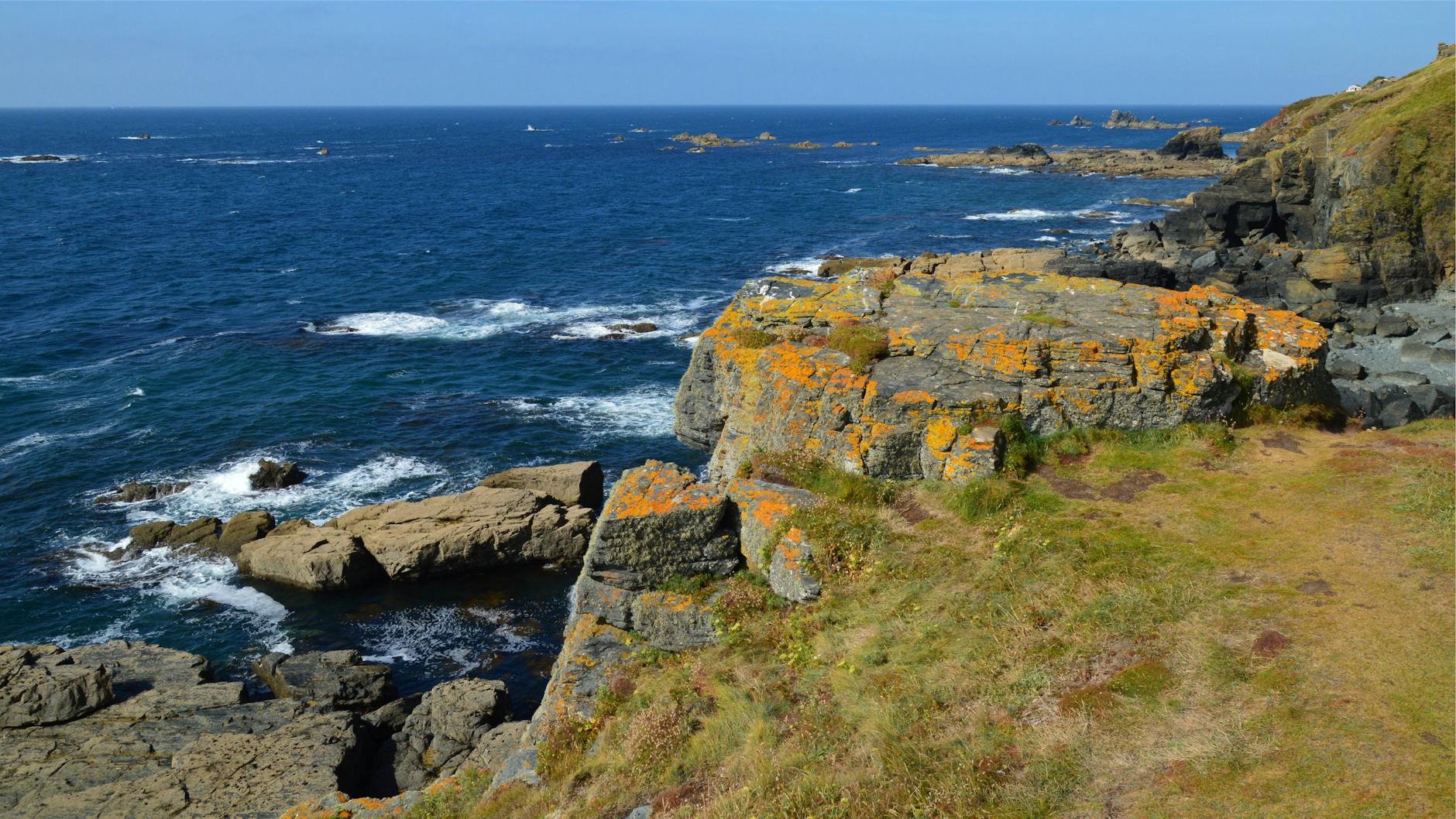
The huer was a coastal lookout in Cornwall whose cliffside cry and gestures guided boats to spring shoals of pilchard (Sardina pilchardus) and mackerel (Scomber scombrus). Less widely known is that the seasonal "March" call became a melodic, semi-coded signal: different rhythms and lengths of shout told boatmen not only that fish were sighted but also the direction and density of the shoal. Communities such as Newlyn and St Ives developed distinct variants of the call, effectively creating local dialects of maritime signalling long before radios.
Survival and revival
While commercial pilchard drives have declined, the ritual survives. A small number of contemporary huers in Cornish towns still mount the clifftops each spring, combining the traditional cry with simple visual signals and, occasionally, short songs handed down through families. Their work today often helps recreational anglers and town festivals as much as skippers, linking present-day coastal life to the age of beach-seines and historic pilchard rounds.