
Cornish March pollack: rapid fillet, cure and smoke at anchor
Cornish March pollack: rapid fillet, cure and smoke at anchor
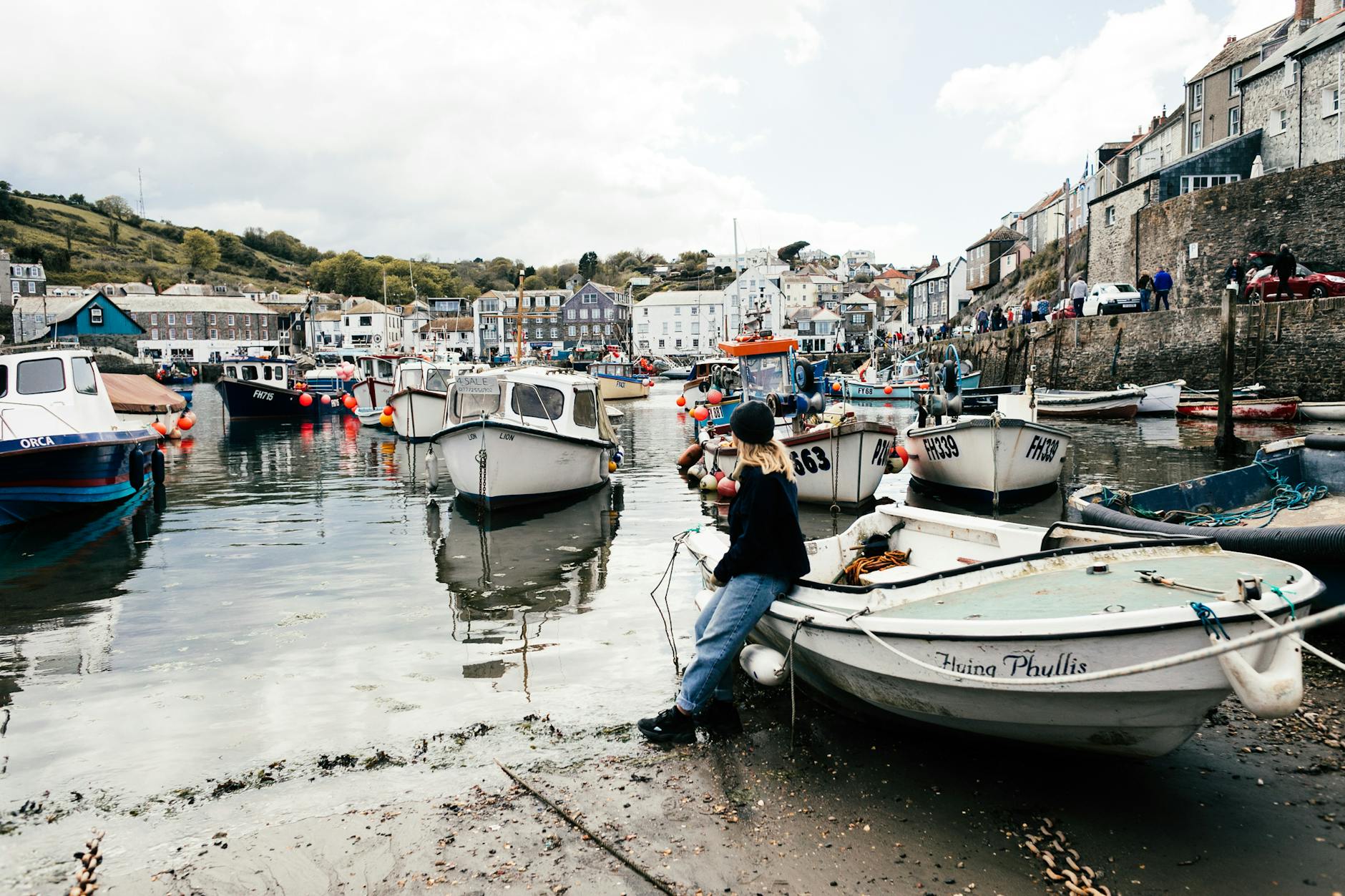
Faster boat-to-table reality off Cornwall
In early spring, pollack (Pollachius pollachius) shoals move inshore around the Lizard Peninsula, Mount's Bay and the Isles of Scilly. A lesser-known fact among British anglers is that pollack’s flesh firms exceptionally quickly under a short dry cure, making it possible to fillet and serve raw-style or lightly cured within an hour of capture aboard small boats moored in sheltered coves off Cornwall.
Quick fillet, cure and contingency smoke
Practical at-anchor technique emphasises a sharp knife, immediate evisceration, and a light salt–sugar rub to draw moisture and firm flesh for sashimi-like slices. If weather turns, a compact plank or bucket smoker—drawing on small-scale traditions such as Arbroath smokies—provides a fast, smokey finish that keeps the Cornish coastal character.
Forage pairings and preserving extra fillets
March coastal foraging yields samphire and sea beet; inland hedgerows and damp lanes near Falmouth can produce wild garlic tips late in spring for a bright, herbaceous counterpoint to browned butter. Extra fillets respond well to vacuum sealing and flash-freezing for weeknight meals, or light cold-smoking and refrigeration for 3–4 days to retain texture and coastal flavour.