
Cornish spring pollack and samphire pie
Cornish early‑spring catch: pollack, samphire and wild garlic pie
From rock to kitchen
Shore‑caught pollack landed from Cornish marks such as the Lizard Peninsula, St Ives or the Newlyn coast rewards quick handling. Pollachius pollachius yields firm, low‑fat white flesh that benefits from bleeding, gutting and cooling near the tide line, with fillets laid flat to dry before trimming. For pie use, a brief poach or a light pan sear firms the flesh and eases flaking; keeping skin intact until cooking preserves flavour for small crews cooking ashore or in cottage kitchens.
Foraging and safety primer
Cornish foragers distinguish rock samphire (Crithmum maritimum) on cliffs and headlands from marsh samphire or glasswort (Salicornia europaea) in saltmarsh pools; leaf morphology and habitat are reliable cues. Wild garlic (Allium ursinum) carpets damp woods in spring, while nettles (Urtica dioica) are abundant inland. Practical safety guidance stresses blanching nettles to neutralise stings, rinsing samphire to remove grit and foraging well away from livestock tracks, boatyards and visible contamination sources.
Foolproof pie assembly for small crews
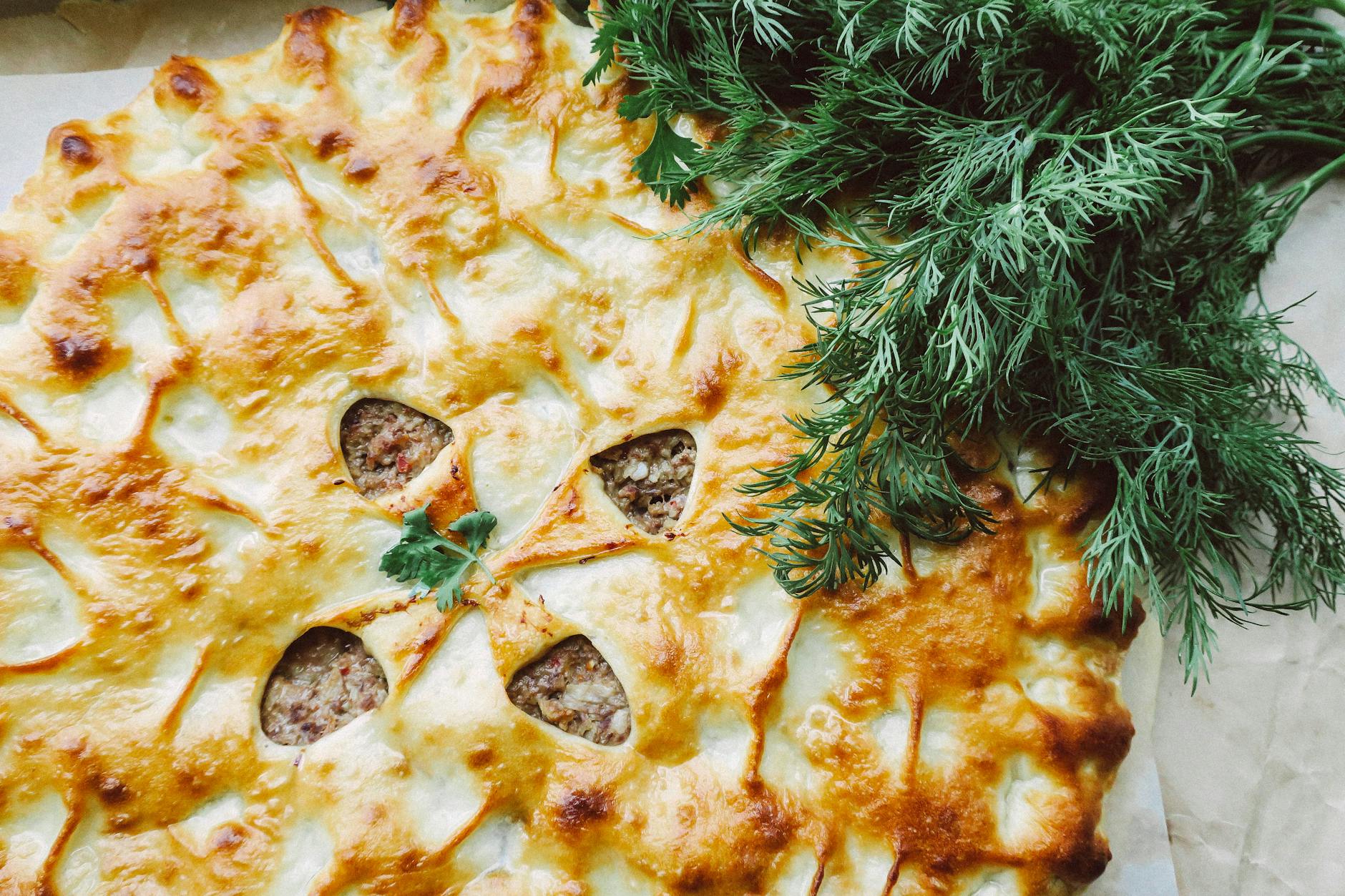
A compact crew meal comes together in a single ovenproof skillet or 20cm pie tin. A light roux made with a splash of fish stock and milk, brightened with lemon zest and bound with an egg yolk, takes flaked pollack, blanched samphire and wilted wild garlic without overpowering the fish. Topping options suit the galley: rough puff pastry for a portable bake or a mashed potato crust for a heartier finish. The method mirrors longstanding coastal pantry practice—pairing modest white fish with salty herbs noted in English culinary history since Izaak Walton’s era.
Seasonal sides
Spring sides from the Cornish larder emphasise freshness: minted peas, steamed Jersey Royals or Cornish new potatoes and quick‑pickled shallots complement the pie’s clean profile. A squeeze of West Country lemon or a drizzle of cold‑pressed rapeseed oil sharpens the briny notes of pollack and samphire without adding fat, making the dish ideal for anglers seeking a restorative meal after an early spring tide.