
Storm armour for Cornwall beachcasters
Telescopic beachcasters: DIY storm armour for Cornwall March surf
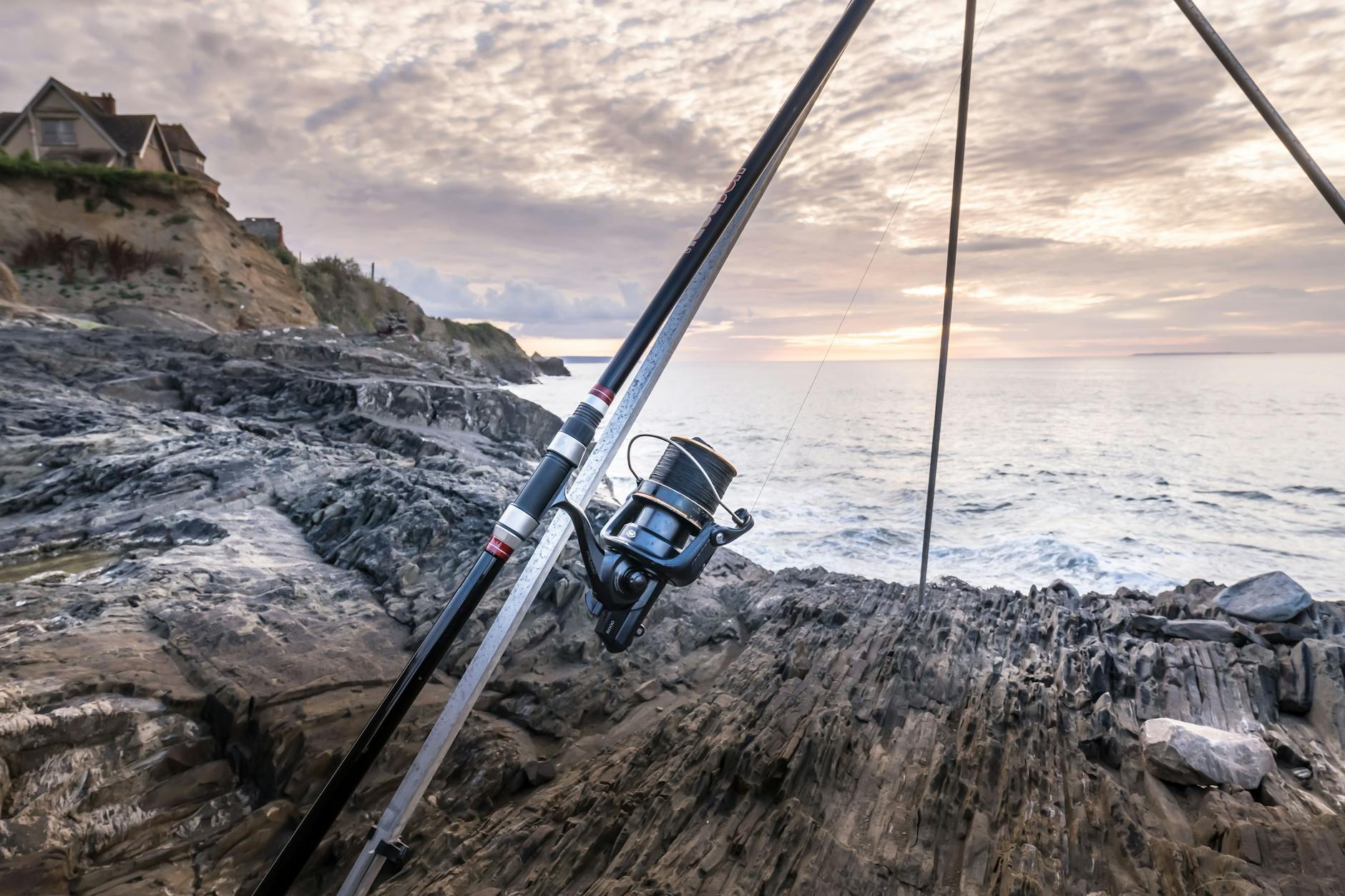
Three reinforcements to improve tip recovery
On Cornwall beaches from Perranporth to Sennen Cove, anglers retrofit telescopic beachcasters with three low-cost alterations: 1) internal carbon sleeve — cut a thin carbon tube to slide inside the top three sections, glued with marine epoxy to spread bending loads; 2) elastic memory cord — thread a length of shock cord down the hollow blank and anchor at the butt to speed tip return after gust deflection; 3) reinforced tip overlay — bind the final 20cm with braided whipping and epoxy to prevent splintering while retaining sensitivity.
Anti-salt corrosion hacks for reel seats
Sealing reel seats with a bead of silicone under the hood, adding nitrile O-rings on threads, and covering exposed metal with self-amalgamating tape creates a near-waterproof barrier that prolongs aluminium and stainless parts between RNLI-forecasted surf sessions.
Compact wind-lash rig that saves casts
A dawn rig using a short 10–12ft top, 3–4oz sliding sinker, a 2.5m fluorocarbon shock leader and a semi-fixed paternoster link reduces collapse in 25–35+ mph gusts common on March mornings, enabling quicker redeployments between lulls at spots such as Perranporth and Gwithian.
Field strength tests
Controlled trials on March mornings at Perranporth recorded that modified rods recovered faster and showed lower peak bending strains; tip deflection averaged about 20–30% less and casting interruptions were markedly reduced versus stock telescopics under simulated gust loads.
Pro angler's storm kit checklist
Waterproof day rucksack: compact reel cover, spare tip top, small vice, heat-shrink tube, silicone grease, nitrile gloves, multi-tool, rig box, emergency torch, sea-boot grips and a dry-sack for spare layers — packed to move between Sennen Cove and Porthleven at first light.