
Beginner's Cornwall shorefishing primer
Beginner's primer: Shorefishing Penzance–Lizard headlands
Overview
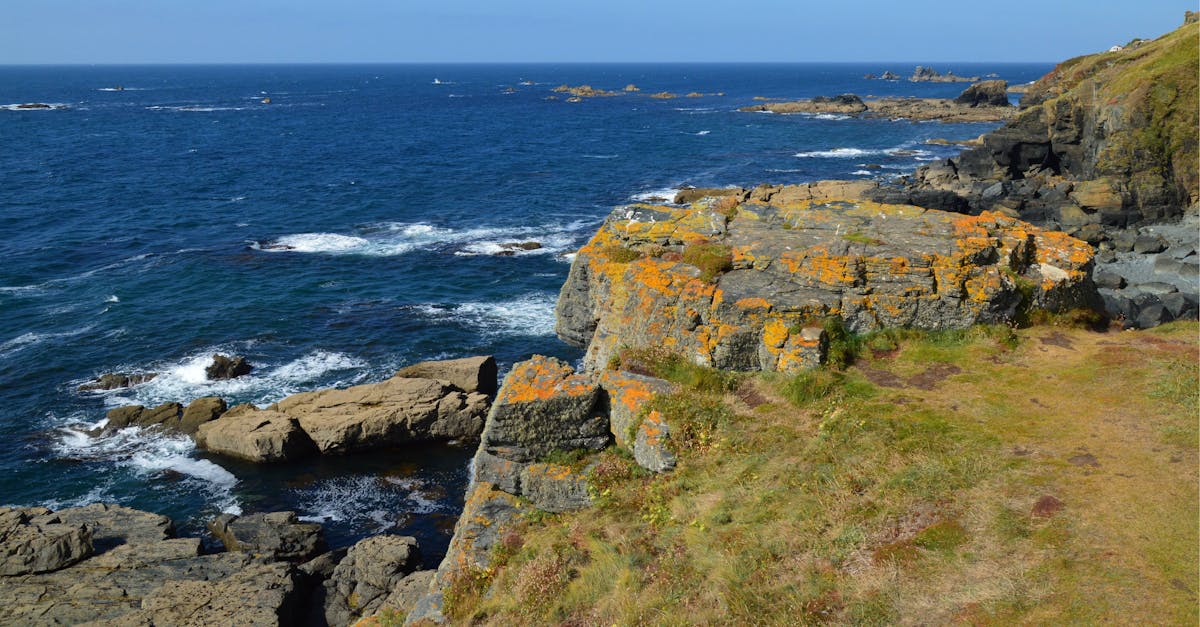
Shorefishing the Cornwall headlands around Lizard Point, Kynance Cove, Cadgwith Cove and Penzance's Lariggan Beach focuses on pollack and small sea bass at low tide. Fish structure close to kelp and gullies; spring and summer evenings often produce the best schoolie runs.
Rod and reel choices
Recommended rods are 9–11ft beach/rock rods in the 15–25lb class with 4–8oz casting weights. Lighter 9–10ft lure rods suit 0.5–2oz soft plastics; an 11ft rock rod handles 2–6oz leads. Pair with fixed spool reels (4000–6000 size) spooled with 20–30lb braid and a 10–15m 40lb mono shock leader.
Terminal rigs and knots
For pollack use 20–40g soft plastics (weedless Isome sections) or metal jigs on size 12–20 hooks. Bass paternoster: 2–4oz sliding float, 20lb trace, 1–2x size 1/0 hooks and a 12–18in dropper. Tie braid-to-leader with a Uni knot (5 turns braid, 7 mono) and hooks with an improved clinch.
Low-tide safety and tactics
Fish seaward into 5–15m gullies. Stand back from exposed serpentine ledges on stable rock; avoid slippery kelp. Cast beyond the edge then jig vertically 2–5m down the face. Carry a long-handled landing net (6–8ft) and wear non-slip footwear.
Best baits and targets
Pollack take mackerel strips (2–4in), sandeel (3–5in) and ragworm on two-hook paternosters. Small bass respond to live sandeel, peeler crab or Gulp worm chunks (1–2in). Expect schoolies of 1–3lb bass and pollack of 2–5lb; keep casts and baits tight to structure.
Recommended: 6-8ft landing net