
Derwentwater Twilight Beats
Derwentwater, 4.6 km² of Borrowdale water near Keswick
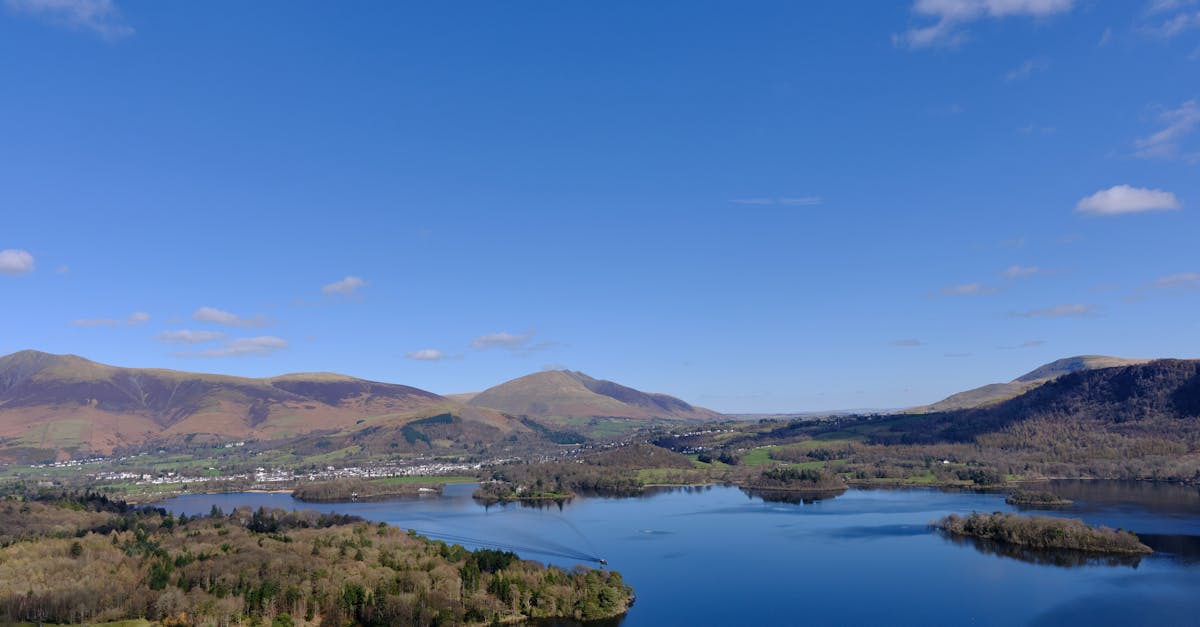
Derwentwater holds brownies that move into 2–5 ft shallows at dusk. Peak evenings run May to July, with autumn spawners lingering shallow later in the year but feeding more cautiously. Surface temps around 12–15°C trigger that pre‑dusk window when big females hunt minnows, tiddlers and late‑falling spinners.
Rocky Points
Head to boulder‑lined headlands such as Friar's Crag. Fish 3–6 ft contours with an 11ft #3 rod and a pair of quill nymphs or #14 iron blue duns on 4lb fluorocarbon leaders, 18" dropper spacing. Polarized glasses reveal subtle rises; expect 12–16" wild trout slashing at a purple‑collar PTN.
Weed Edges
Lodore Falls shallows and horsetail margins hold cruising brownies in 4–8 ft. Fast sinking flies with 2.5–3.5mm tungsten beads and gold‑ribbed hare's ears work in 1–2 kt drifts. Wading knee‑deep pays off: weekend anglers pull 2–3 lb fish by covering seams where weed gives way to sand.
Wind‑Sheltered Bays
Calm coves at Hawse End take terrestrials and emergers as light dies. Dry March brown spiders or mouse imitations draw explosive takes; nightfall can produce 4 lb+ ramblers that ignore lighter fly patterns and crush surface offerings.
Scout daytime snags, note submerged logs and weedbeds, then return for those thirty to sixty minutes before full dusk when the lake tightens and a brownie can erupt in a single bright, wet arc.
Recommended: polarized fishing sunglasses