
Dorset dawn: mapping an early‑March flounder seam
Dorset dawn: mapping an early‑March flounder seam
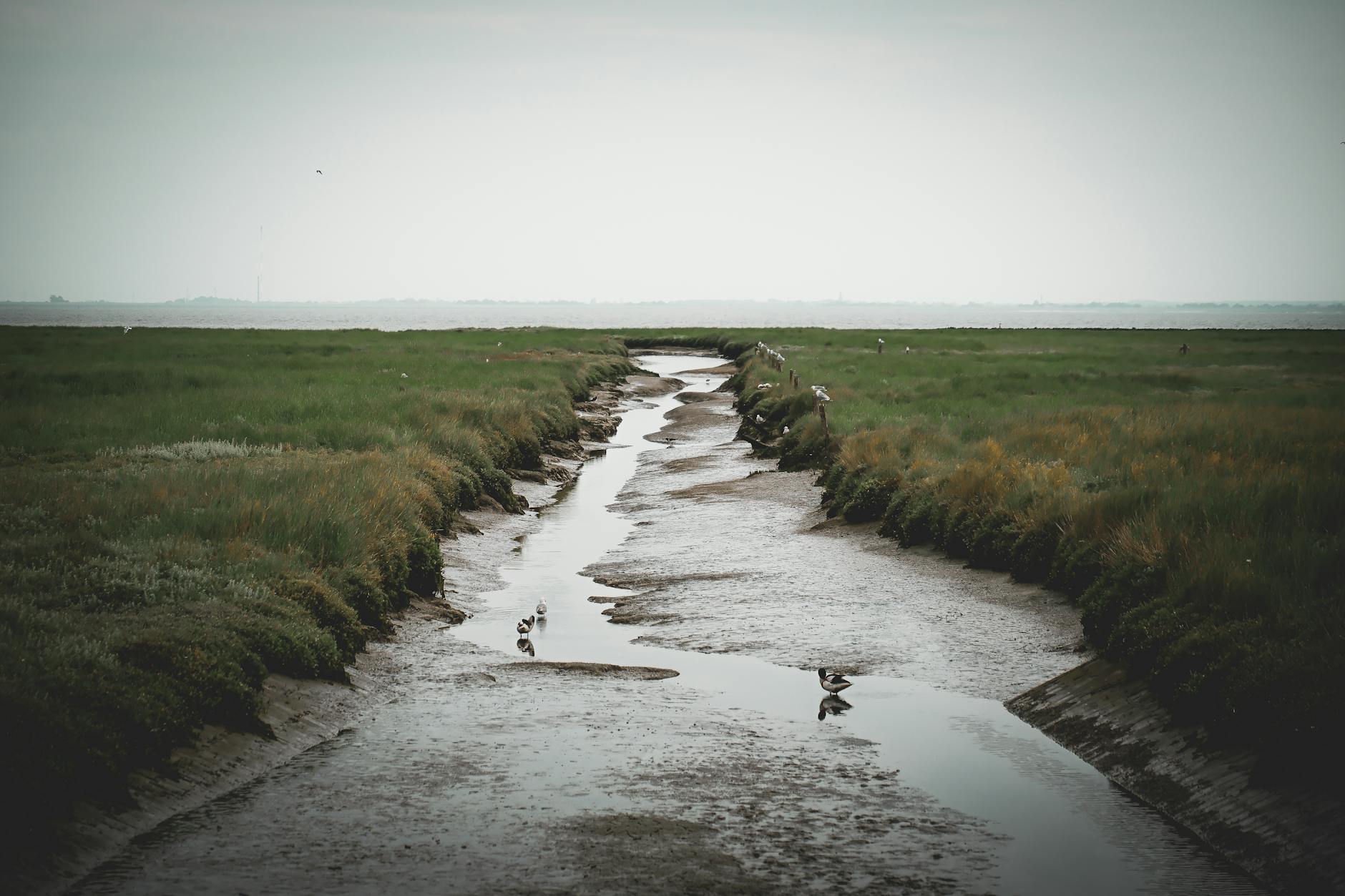
Little‑known seam and why it matters
A narrow tidal creek off Christchurch Harbour forms a temperature and salinity seam in late winter that concentrates large flounder (Platichthys flesus) on ebb tides. The seam sits where the freshwater of the River Stour meets channelized seawater; in early March the cooling spring run‑off and stronger spring tides compress fish into a predictable shoal along a soft‑sand channel, producing specimen fish well above the local average.
Exact access and safe launch points
Public access is best from Stanpit car park off Somerford Road; Mudeford Quay car park provides a secondary launch for small tenders and carry‑in gear. Anglers should use the established slip at Mudeford and avoid crossing marked bird‑reserve channels around Stanpit Marsh to protect nesting habitat and avoid fragile saltmarsh.
Optimal March tide, moon and rigs
Prime fishing comes on the falling tide: the top window is 60–120 minutes after high water through mid‑ebb. March spring tides around the new or full moon intensify the seam; aim for the stronger spring‑ebb runs in the 24–48 hours centered on those moon phases. Recommended tackle: two‑hook paternoster or a light running ledger, 12–18 inch snoods, size 1/0–2/0 flatted hooks on 20–30 lb fluorocarbon traces, and 2–3 oz leads to hold in the soft sand.
Baits and local courtesy
Lugworm and ragworm tops, peeler crab halves and fresh mussel are most effective on March soft sand. Respect local anglers, keep to parking bays, avoid trampling saltmarsh cordgrass and leave no bait or litter. The seam can shift after heavy rainfall; local anglers traditionally time dawn visits around Izaak Walton‑inspired low light runs rather than midday pressure.