
Where the Dry-Fly Found Its Voice: Chalk-Stream Fishing in Hampshire
The River Test and a dry fly that wouldn't sink
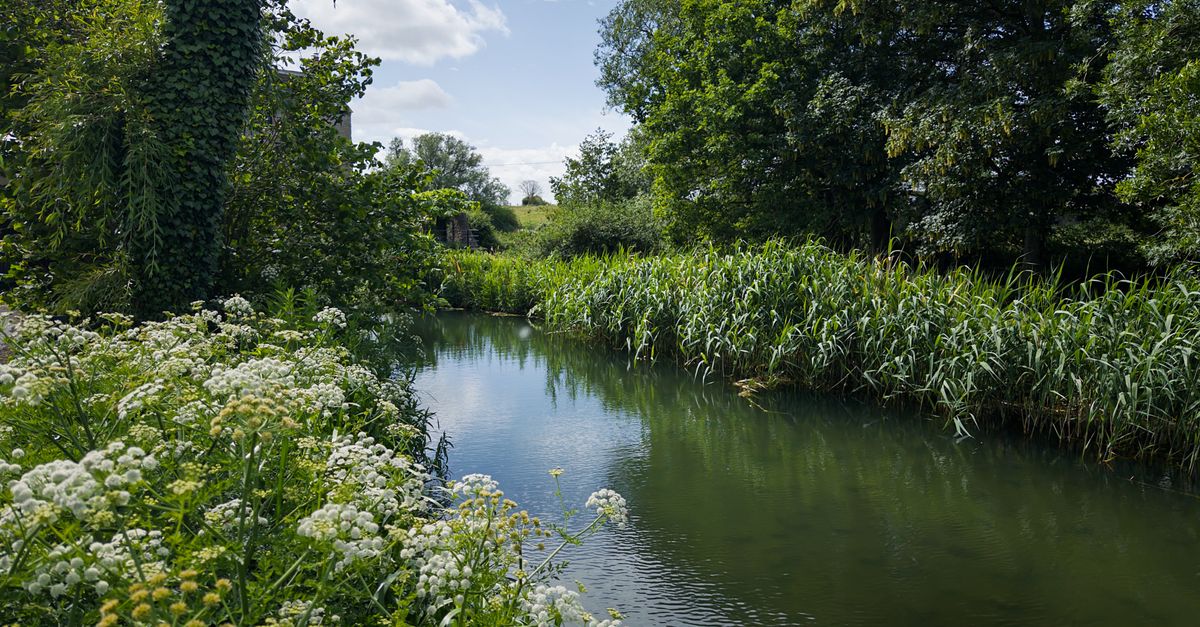
The River Test, the River Itchen and neighbouring chalk streams turned presentation into doctrine. Clear water, slow runs and prolific mayfly hatches made anglers obsessed with a single idea: a fly that rode the surface like a leaf. That became the dry-fly.
Frederick M. Halford wrote the rules for fishing those flats and shallows. Long, elegant leaders. Gentle upstream casts. Flies dressed to imitate the exact hatch. The aesthetic mattered as much as the catch. Technique and etiquette grew together; a gentleman's approach to trout on gin-clear water.
Technique and tension
Dry-fly fishing is simple to describe and fiendish to master. Presentation beats power. A subtle mend of line, a leader that lets the fly sit, a pause to let a brown trout rise without spooking. River craft — reading riffling chalk, spotting a gravel seam, placing a cast — became as prized as casting distance. The debate over nymphs that followed only sharpened the craft for both approaches.
On a late afternoon, a wader-socked angler sets a short cast, watches a tiny snipe of a fly settle, and sees a trout sip it with the faintest silver splash. The rod bends. The stream keeps telling its old stories.
Recommended: breathable fishing waders