
Where the Dry-Fly Was Perfected: Chalk-Stream Lessons from the Test
At Stockbridge on the River Test the dry-fly was honed into an art
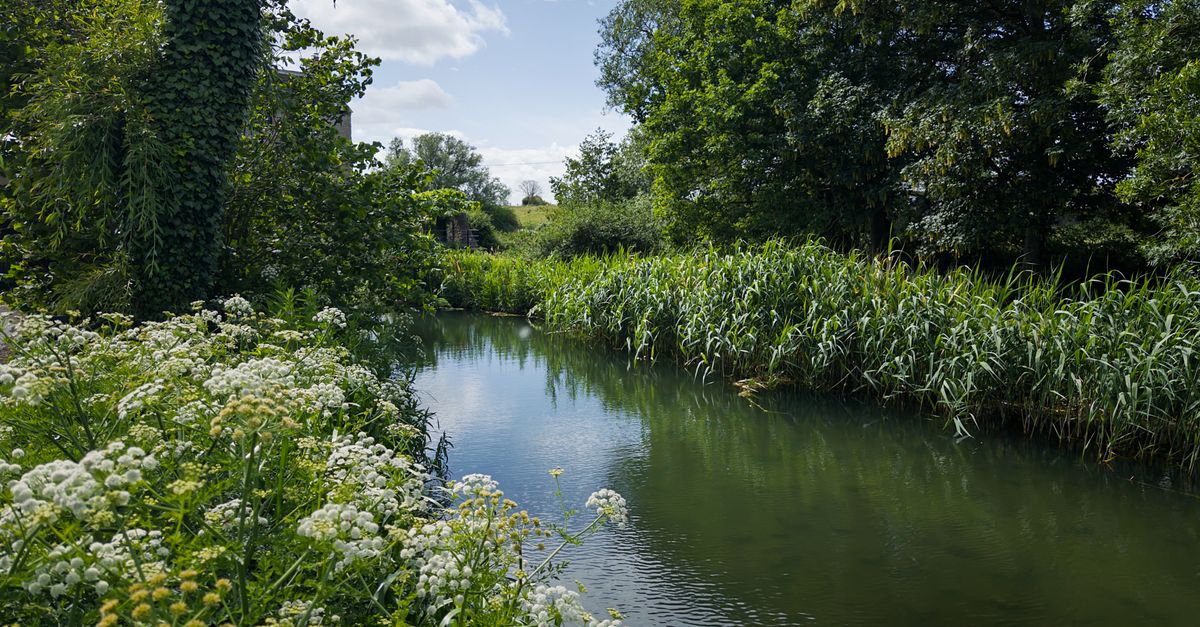
Clear water over chalk gravel. Trout rise like coins. The River Test and its sister chalk streams are the workplaces where dry-fly fishing matured into a distinct British craft.
Frederic M. Halford argued for presentation, imitation and the ritual of the dry-fly. G. E. M. Skues pushed the other side with careful subsurface work. The clash mattered because these rivers produce brown trout that see everything; a clumsy cast or the wrong fly ends the day.
Water, fly and patience
Chalk streams run cool and clear, fed by aquifers that keep flow steady. That clarity demands fine leaders, delicate presentation and flies tied to match the local mayfly, sedge and the pale dun of a summer evening. Anglers learned to read the subtle seam where riffle meets glide, to spot the head-and-shoulder rise of a picky brown trout, and to place a dry-fly so the trout accepts without alarm.
The evolution of technique here created a toolbox: light rod action that favors feel over brute force, discreet casts, tapered leaders and flies with buoyant hackles. Wading quietly into a long, gin-clear beat, an angler moves like a shadow, rod held ready, eyes trained on the surface photograph of insects and fish.
The story of the dry-fly is written in chalk, in the names of beats, in the fly boxes of generations, and in the patient skill of anglers who know a drift can change a river's mood in a single cast.
Recommended: waterproof neoprene waders