
How Dry‑Fly Fishing Was Perfected on England’s Chalk Streams
Frederick M. Halford and the glassy rivers of Hampshire
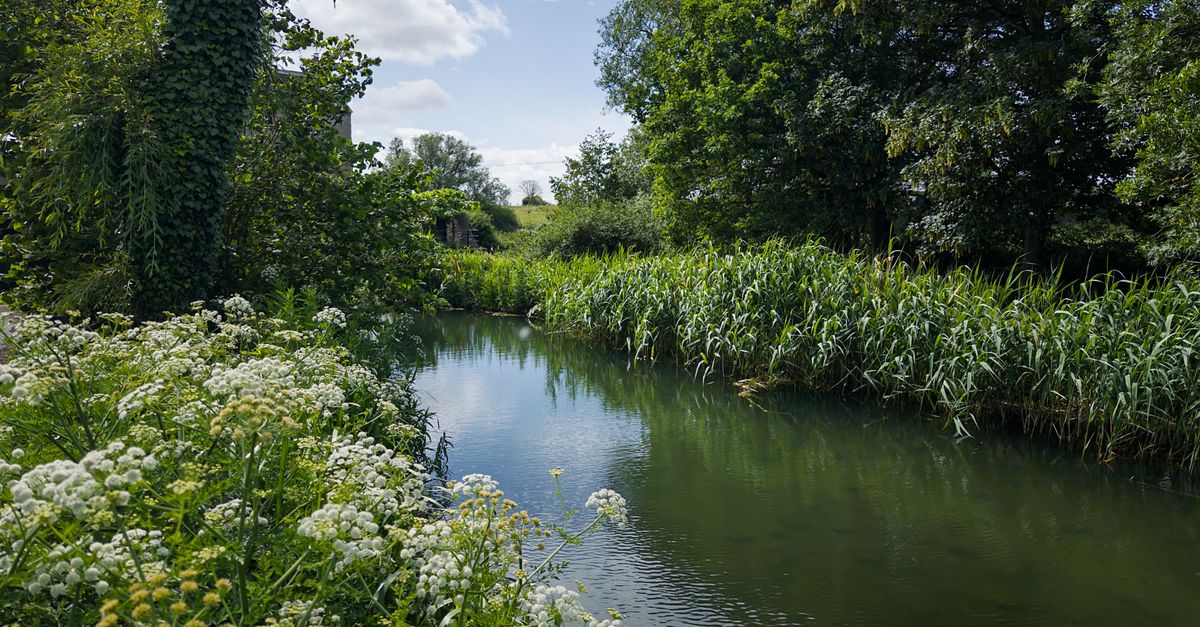
The River Test and the River Itchen have run clear and cold for centuries, and they taught anglers a new kind of patience. Brown trout and grayling feed on surface flies there with such selectiveness that presentation became an art. Dry‑fly fishing, as practiced today, grew from those channels of chalk and flint.
Chalk gives steady flows, spring‑fed clarity and a riverbed of clean gravel. That clarity lets a trout see a mayfly on the surface a long way off. Anglers learned to imitate the insect and to cast without a ripple. It demanded lighter rods, finer leaders and flies tied to mimic one hatch at a time.
The personalities and the technique
Frederick Halford formalised the method and insisted on upstream presentation and a dressed dry fly. G. E. M. Skues later argued for nymphs, and that conversation reshaped tactics rather than ending the dry fly. The result: distinct tackle choices — silk lines then braided, slender rods, and long, thin leaders — all designed to coax a surface sip from a wary trout.
Fish names matter here: brown trout, grayling and the occasional pike that slashes as evening falls. Mayfly, caddis and sedge hatches still set the rhythm. On a summer evening the stream glasses, a single dun rides the current, and an angler watches the trout accept it as if nothing else in the world existed.
Recommended: breathable chest waders