
Where the Dry-Fly Was Born: Chalk-Stream Tactics of the Test and Itchen
Frederic M. Halford’s Dry-Fly doctrine on the River Test
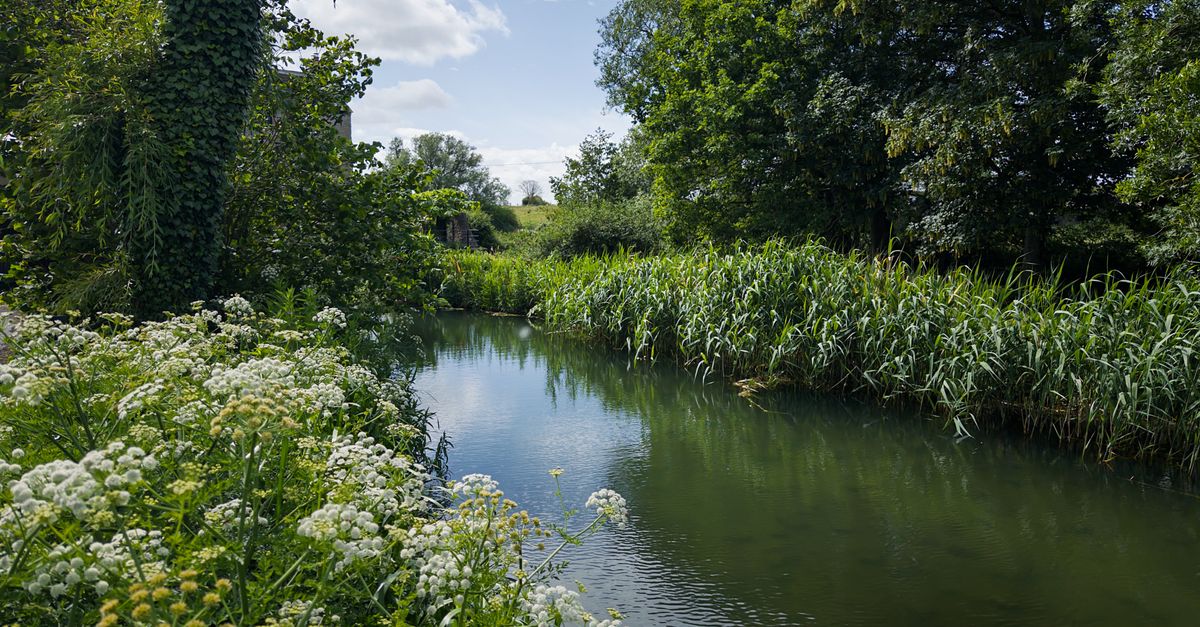
The glassy riffles of the River Test and Itchen taught anglers a precise language: rise, drift, set. Halford's writings turned those rivers into a rulebook and the dry fly into a creed. The chalk-stream trout took a surface fly differently here — slow, deliberate, visible — and anglers learned to match that behaviour with presentation rather than brute force.
Presentation mattered. Rod handling became subtle. Leaders tapered finer. The upstream dry-fly, cast with a long, delicate drift, replaced awkward splashy approaches. The fish were brown trout and grayling; the water was cold, clear and relentless in showing any mistake.
Technique and temperament
Stalking the margin, watching the faint silver hinge of a rising trout, taught patience. Waders were light and silent. Tippets were thin. The fly never thudded; it lay. This was fishing that prized finesse — not distance, not power — and it shaped equipment and etiquette for a century of anglers.
G. E. M. Skues later argued for nymphs and subsurface play, but the chalk-stream dry-fly remains the image of English trout fishing: a clipped cast, a floating fly, and the split-second lift when a fish accepts. On the Test the surface sometimes breaks in a tiny circle, and the world narrows to a single fish and a single moment.
Recommended: 9ft trout fly rod