
Dry‑Fly Revolution on the River Test
Dry‑Fly Revolution on the River Test
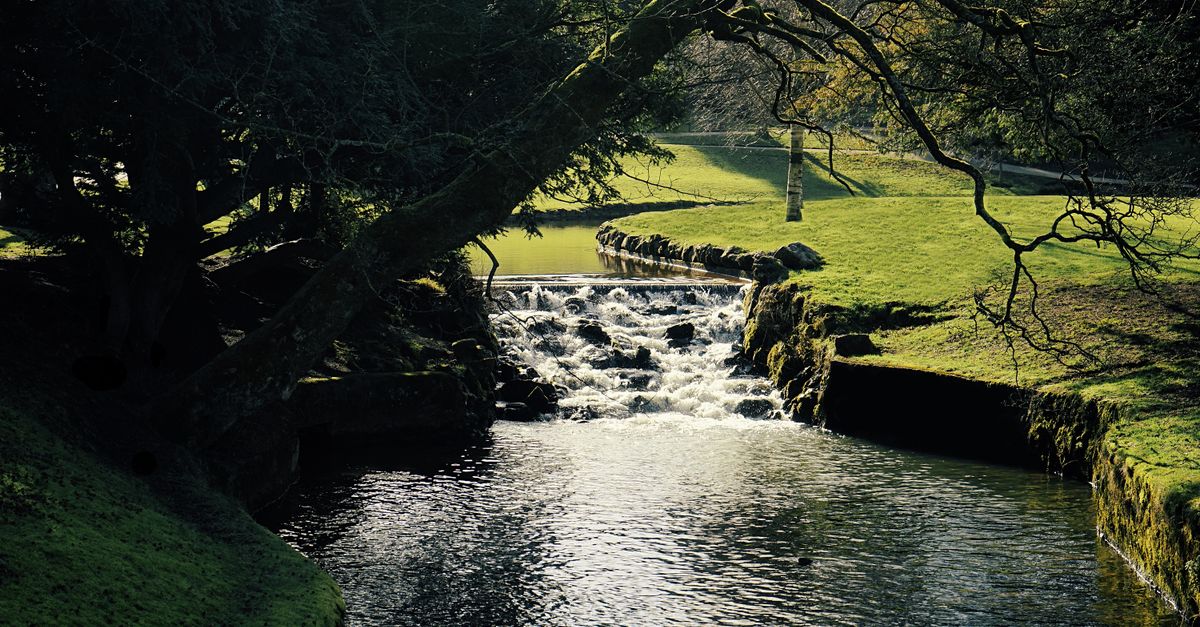
Frederic M. Halford's 1889 book codified a way of fishing born on the chalk streams of Hampshire. It changed how brown trout were taken on the Test, Itchen and Kennet. Clear, lime-rich water, steady summer flows and a year-round aquifer supply produce prolific mayfly hatches — perfect theatre for the dry fly.
Halford insisted on a floating fly dressed to match emerging ephemera and on absolute stealth. The method demanded light tackle, a delicate leader and precise casting. Anglers learned to cast upstream, land the fly like a fallen leaf, and watch a trout rise in full view. Grayling and occasional pike added variety on quieter beats.
Stream, tackle and technique
Chalk aquifers keep temperatures steady and the water crystal clear; gravel beds and gentle riffles determine lies. The rod is usually long and limber, the tippet fine, and presentation matters more than power. Waders are common on wider beats, but many still prefer wet wading to avoid splash and scent.
The dry‑fly tradition shaped fly-dressing, etiquette and private beats across southern England. It survives in single moments: a hatch, a patient cast and the soft plop as a trout inhales the fly — the sight that keeps anglers coming back.
Recommended: breathable fishing waders