
Dry‑Fly Revolution: Halford, the Test and England's Chalk Streams
Frederic M. Halford, River Test, 1889.
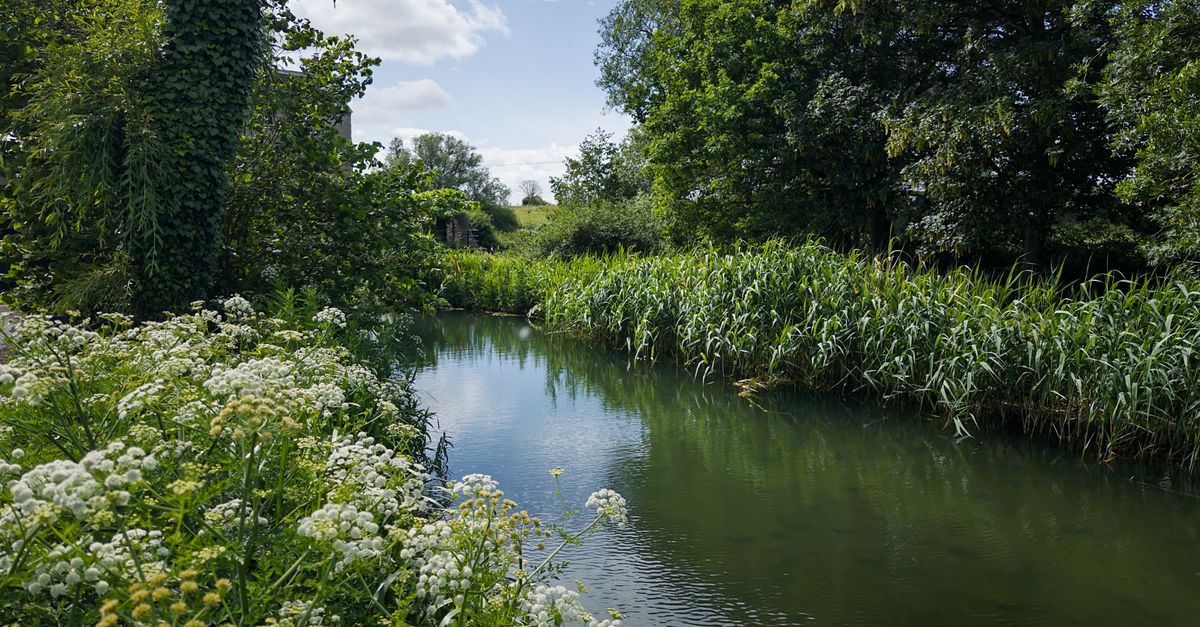
Halford wrote the rules for fishing chalk rivers and the River Test became the textbook. He insisted on a strict dry‑fly doctrine: the fly must float, the presentation must be upstream and unseen, and trout are taken by artful deception rather than brute force. That prescription shaped gear, etiquette and the look of an afternoon on Hampshire waters.
Chalk streams are clear, gin‑coloured ribbons with gravel beds and steady flows. They favour brown trout and the odd grayling. Fish here are wary and selective. Anglers learned long, tapered leaders, fine tippets and flies that mimic drifting insects to an inch. Technique rides ahead of tackle; the rod is an extension of the angler's eye and hand.
Technique and dispute
Halford's orthodoxy met pushback from nymph anglers who argued subsurface tactics catch fish Halford's dry method missed. That debate refined practice rather than ending it. Modern anglers blend both: delicate dry presentations for surface sipping trout, judicious nymphing where the hatch and water dictate.
The chalk‑stream aesthetic endures: low banks, poplars, a single angler slipping a cast over glassy water as a dun drifts past. Trout inhale the fly; a soft strip, a flash, then silence and the careful work of landing a fish that has seen a hundred flies and still chose that one.
Recommended: waterproof chest waders