
Dusk caddis pulses on the Frome & Ebble
River Frome at Redbridge and the Ebble’s Whitebridge reaches
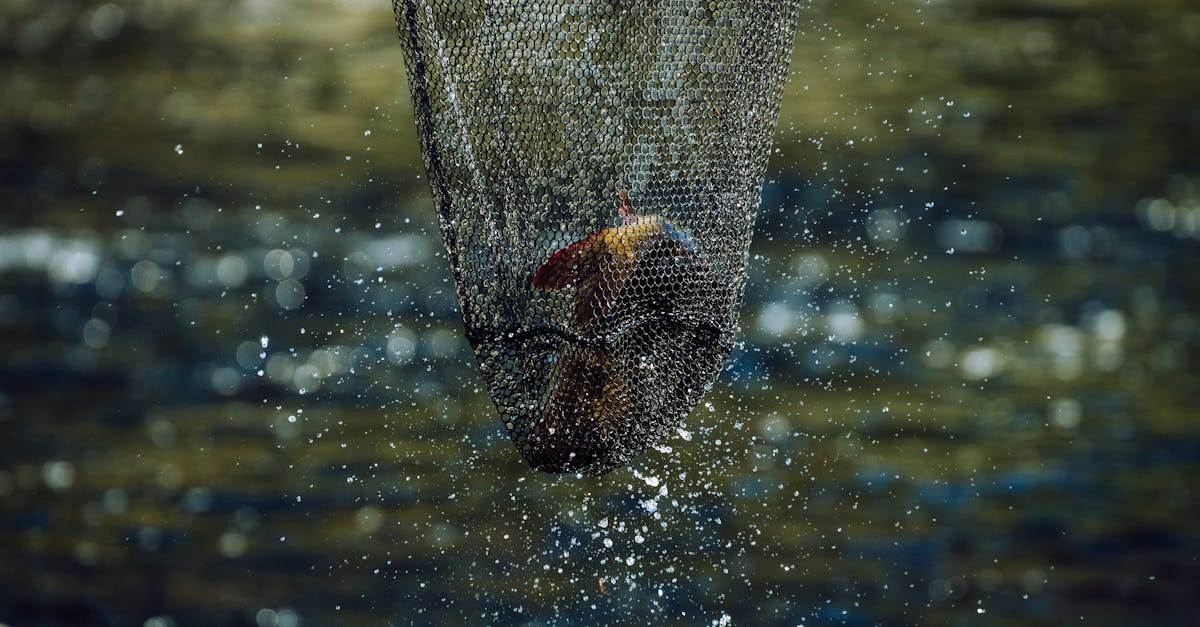
On the River Frome and the Ebble a named caddis pulse will turn a quiet chalkstream into a lane of visible trout within minutes. Brown trout that have sat tight in shallow gravel runs, undercut banks and soft margins during the day move up into the top 30–60 cm as the light dies; emergers, not full dries, often trigger the steady, subtle rises.
Riffle tails and shallow glides 20–50 cm deep become primary feeding lanes. Seams beside weedbeds or gravel bars concentrate drifting caddis and olives and let trout hold with minimal effort. In late spring and summer the last hour after 7–8 pm on these chalkstreams is the predictable window.
Tactics for the last hour
Light, close-range presentations beat brute distance. Rod: 8'6"–9'0" #4 or #5, leader 12–15 ft tapered to 4X–5X, tippet around 0.12–0.16 mm. Flies in sizes 14–18—caddis emergers, CDC emergers and small deer-hair shuttles—match the film. Precise upstream placement into the seam is worth more than long, flashy casts.
Trout in good reaches commonly run 0.5–1.5 kg, with the bigger fish holding in deeper glides or under overhangs and moving a few metres to take a drifting emerger. Watch for dimples, sips and small bulges rather than big splashes. A neat upstream drift into a flat seam often produces a single, decisive sip under a silvered caddis wing.