
Dusk Caddis Pulses on the River Test
Spotted Sedge on the River Test dominates evening hatches in late June, producing explosive surface rises.
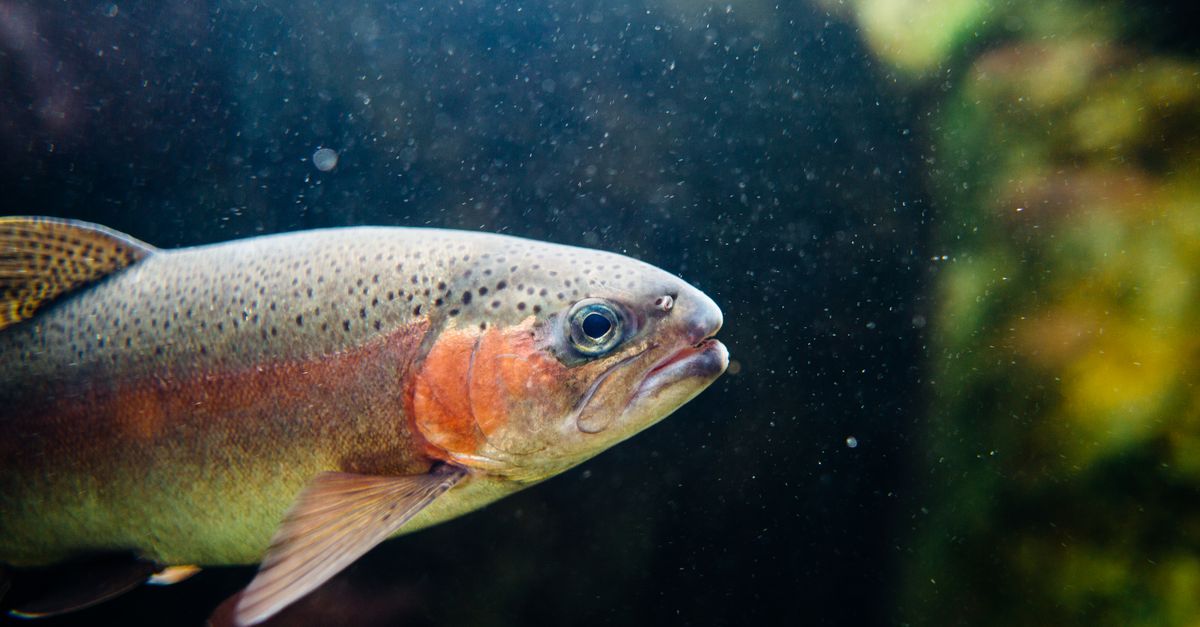
On Hampshire's chalk stream the brown trout respond where tumbling, swirling water concentrates the hatch: willow-shadowed glides below Totteridge and the shallow shelves at Malt House see the boldest takes. Fish target the surface film and the top 0–15 cm column; nymphs sit 20–30 cm deep for pauses between pulses.
Fly box essentials and rig
Keep sizes 10–16 in tan, brown and green. Treat key flies twice with floatant—once at home, once on the bank—to keep them woked across the surface. A banker rig with a buoyant caddis on point and a small nymph (GRHE or Pheasant Tail) on a dropper works as indicator and attractor. Leader strength should not be fragile: a 4lb leader minimum handles rocky water and larger caddis.
Season notes: Grannom opens spring, but the Spotted/Cinnamon Sedge peaks around the last week of June or first of July and produces the biggest evening spectacle. Typical trout along the Test run 25–40 cm and commit aggressively to big sedges in the fading light.
On fine evenings the angler who reads the hatch, picks the tumbling seam below Willow or the shallow riffles by Totteridge, and fishes steady dries will see the river erupt—brown trout slashing a cinnamon sedge across a finger of light before the stream slides back into night.
Recommended: strong nylon leader