
How Dusk Insect Pulses Drive Evening Brown Trout Rises
River Test, late June–August: half an hour after sunset the seams explode.
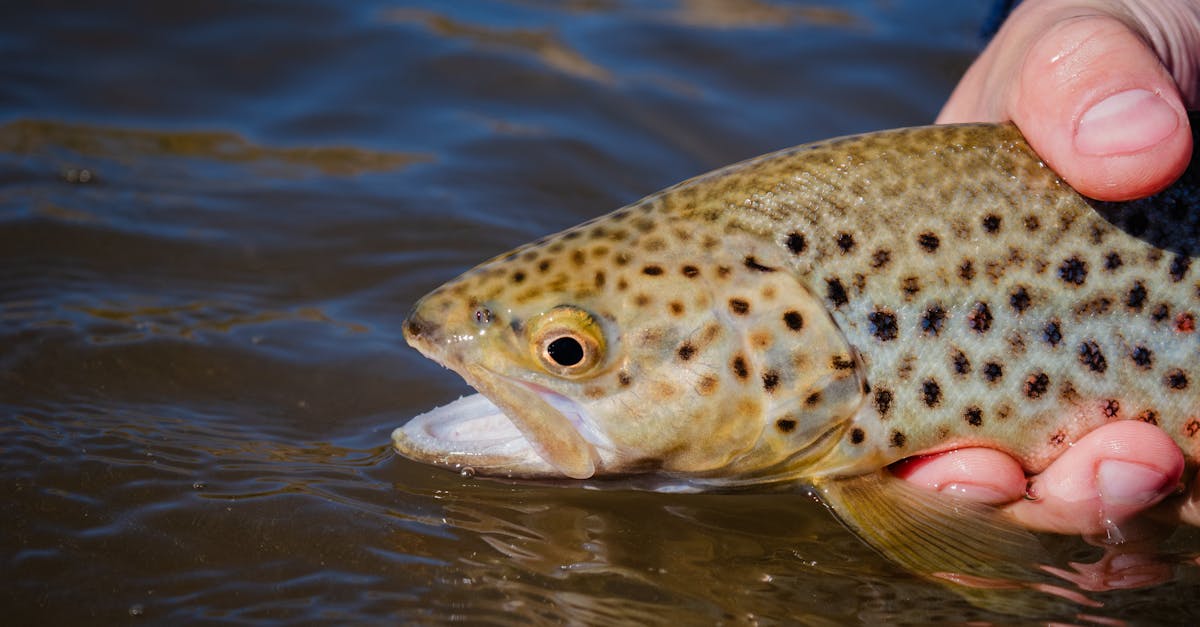
Pulse and pull
On small southern chalk tributaries — the Test, Itchen and northern Wye — dusk insect pulses pull brown trout from deep holes into shallow seams. Flying ants, Hawthorn flies, Grannom, upwings and caddis spinners arrive in waves. The rises start about 30 minutes after sunset and can run an hour or more; on hot days fish move in within five minutes when the first insects tumble to the water.
Seams, temps and fish movement
Trout quit undercut banks and weir pools for gravelly seams and tail-outs 1–2ft deep. Chalk streams running steady, spring-fed at 10–14°C, hold fish through high summer; daytime warmth to 16–20°C quiets them until a 1–2°C dusk drop flips them aggressive. Bigger browns, 2–5lb specimens, become the centre of the melee and hunt emergers in tight water.
Gear and patterns
Light tackle favours presentation: 4-6wt rods, 9ft leaders (8–12lb tippet). Dry/emergers for topwater: Hawthorn Fly #12–14, Grannom #16, spinner columns #14–18. In shallow seams fish will take dark foam mice, muddlers and Zoo Cougars #4–6 stripped fast; beadhead stonefly nymphs #2–6 fished slow beneath a dry often wins when surface activity fades. Scout tail-outs and seams in daylight; plan to be in position when the light goes.
Recommended: fly leader kit 9ft