
Dusk pulses on the River Test
Stockbridge on the River Test delivers a 30–60 minute dusk hatch every summer evening
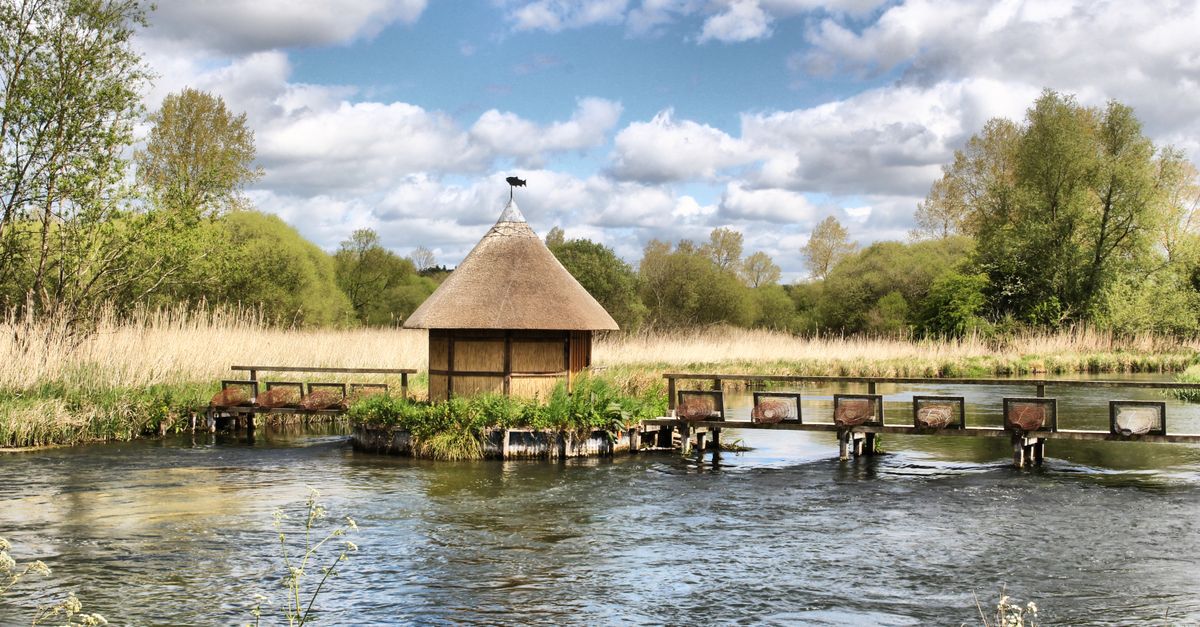
The chalk stream around Stockbridge and the Lower Test is unnervingly consistent. Clear water, steady temperature and lush Ranunculus beds turn Baetis rhodani and local caddis species into a conveyor belt of food. Brown trout (Salmo trutta) lock on to that pulse and switch from tentative sips to bold surface takes as light falls.
Glides and soft seams between 1.5–4 ft are prime. Tailouts below gentle riffles and slow pool edges concentrate drifting smuts and duns where trout can feed with minimal movement. Fish hold under the surface film in calm runs; margins by weed beds are ambush lines.
Reading the insect signals
Look for tiny duns drifting low, swallows and martins working the same corridor, and dimples that harden into full takes. Caddis-triggered rises are often slashing or bulging; mayfly pulses produce slower, more selective sipping at first, then decisive eats as the hatch intensifies.
Effective evening patterns include Parachute Adams in #14–18 and CDC Olive or Blue Winged Olive in #16–20, fished lightly on a long leader and watched for the sudden, clean sip that marks a Test dusk rise. A trout bulges in the hush, silver flank flashing against a bed of Ranunculus as the last light dies.
Recommended: Olive emerger flies