
Dusk on the River Test: trout and evening seams
Dusk on the River Test: why chalk‑stream brown trout gather below head‑gates
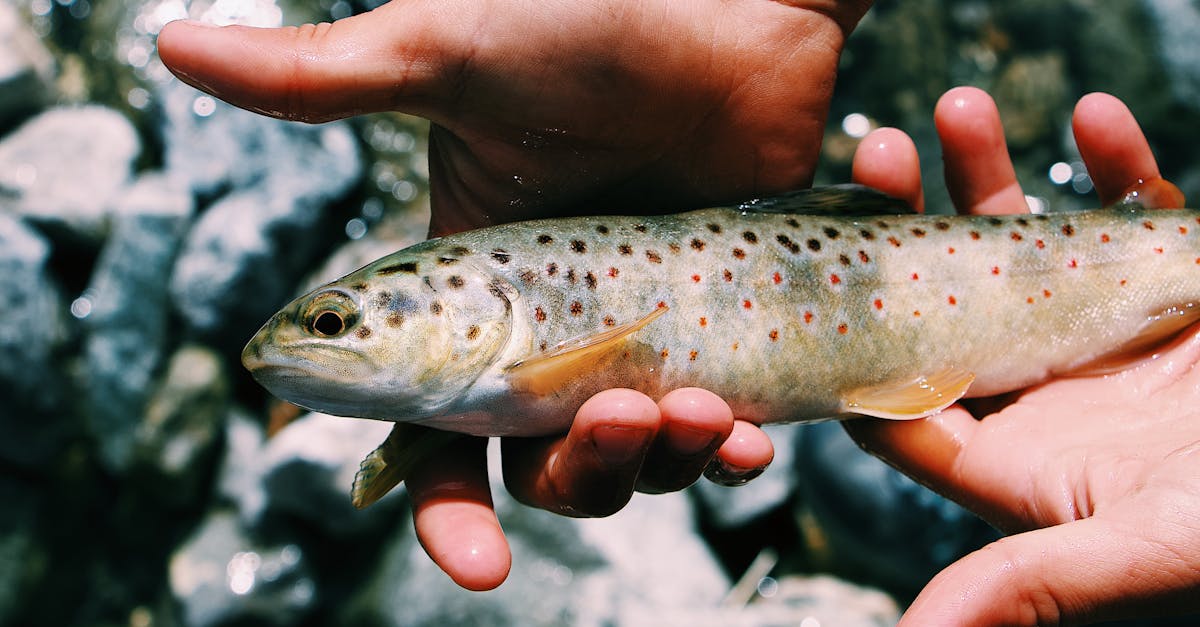
Chalk‑stream brown trout (Salmo trutta) on the River Test congregate in cool, oxygenated seams beneath low head‑gates because turbulent flow there increases dissolved oxygen and offers thermal refuge as surface water warms. Typical seams are 3–5 feet deep with a steady current; fish of 2–4 lbs are common, while big bends can hold 7+ lb specimens.
Why seams become evening lies
In UK summer the main insect hatch accelerates at dusk—around 20:00–21:00—so trout move from daytime subsurface feeding to seam positions where food drifts and oxygen coincide. Median daytime feeding depths give way to shallower, faster water as light falls and hatch activity peaks.
Matching hatches and flies
Locally effective patterns include the Hawthorn fly in April–May and Grannom (small sedge, Rhyacophila spp.) through late spring; anglers should watch bridge cobwebs and spinner evidence to confirm timing. Cast upstream 10–15 feet into 4–6 foot glides to reach rising fish.
Practical tackle and spots
On Test beats below Mottisfont or Broadlands, and on similar chalk reaches of the Itchen (below Cheriton) and Avon (Ringwood), use a 9-foot #3 rod with floating line for dries or a sink‑tip for 4–5 foot runs. Lighter 3–4 wt rods, fine 5X tippet and 20–30 inch leaders aid presentation. Stalk slowly upstream, watch clean gravel and weed margins for tail signs.
Conservation note
These chalk streams support unique ecology; preserving low flows and water quality keeps seams productive for brown trout and occasional grayling (Thymallus thymallus), ensuring memorable dusk sessions for weekend visitors.
Recommended: fine fly tippet spools